

A preschooler who says “I’m mad” may actually be disappointed, jealous, frustrated, embarrassed, or overwhelmed. Building emotion vocabulary for preschoolers is not about teaching impressive words; it gives children more precise ways to explain experiences that otherwise may come out as crying, withdrawing, yelling, or a vague “I don’t like Continue Reading
Child-Directed Speech and Phonological Growth

Child-Directed Speech can shape early sound learning, but cross-cultural studies show children also learn from broader talk around them.
Why Using Your Hands During Story Time May Help Preschoolers Learn New Words

Story time can introduce a preschooler to words that rarely appear in everyday conversation, but hearing an unfamiliar word once does not guarantee that its meaning will stick. New 2026 evidence suggests that gestures during story time may give children another route into meaning: when a storyteller’s hands visibly represent Continue Reading
Word Learning in Children: Research Lessons

Word learning improves when adults teach target words in meaningful routines, repeat them, and support bilingual children’s full language use.
Latinx Infant Language: Speech And Music At Home

Latinx Infant Language develops through speech, shared music, and screen-sound patterns. Research helps families adjust home listening routines.
Your Toddler Has the Words—But Grammar Is a Different Milestone

A toddler can know the names of animals, foods, family members, vehicles, and favorite toys and still sound surprisingly brief in conversation. That is because toddler grammar development is a different job from collecting vocabulary: children must learn how words fit together to show who did what, when it happened, Continue Reading
Bilingual Narrative Skills: Intervention Insights
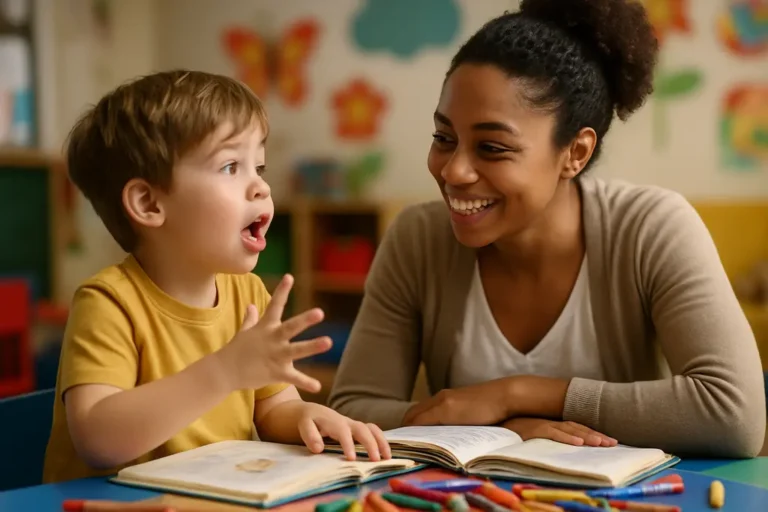
Support bilingual narrative skills with evidence-based story retell, parent coaching, and practical progress checks for young children.
Your Bilingual Toddler Isn’t Confused: What Code-Switching Really Means
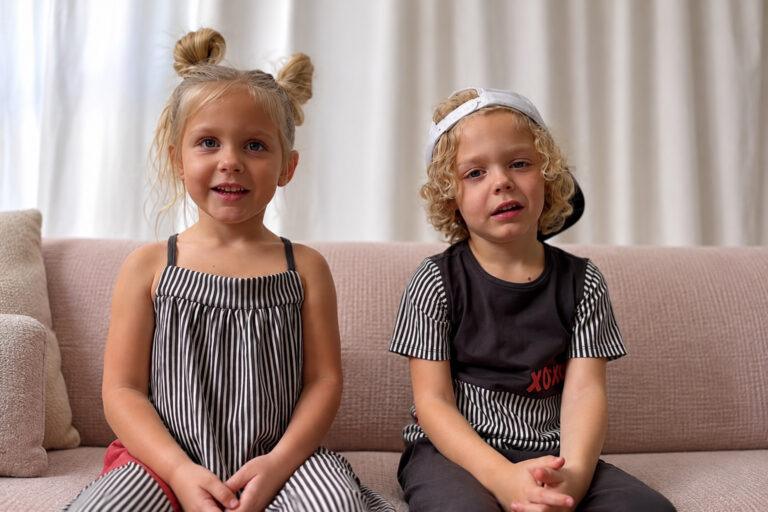
A toddler says, “Quiero my cup,” or answers an English question with a Spanish word, and a parent may wonder whether two languages are getting tangled together. But code switching in bilingual toddlers is not automatically a sign of confusion; it is a common way bilingual speakers use the language Continue Reading
emergent bilingual screening That Reduces Mislabels
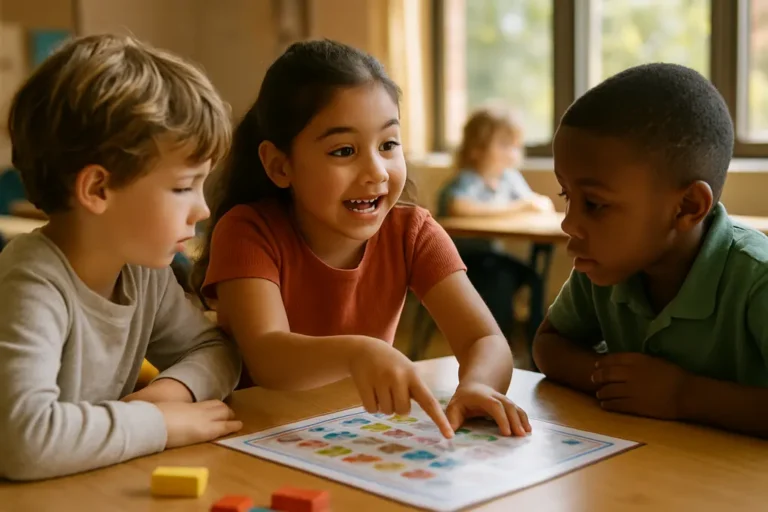
Use emergent bilingual screening practices that combine family input, both languages, observation, and cautious interpretation.
Easy Turn-Taking Games That Help Young Children Communicate
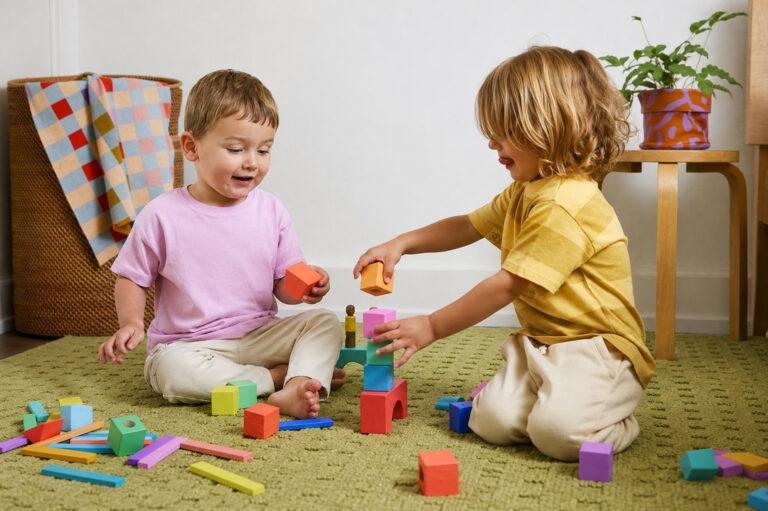
Turn taking is easy to mistake for a manners lesson: wait, share, let someone else go. But the most useful turn taking games for kids do something more fundamental. They make the rhythm of communication visible—one person acts, the other notices, responds, and leaves space for the next turn. That Continue Reading