

Language Acquisition Research can help parents and educators connect speech milestones with evidence, context, and careful observation.
English-only Head Start and Bilingual Risk
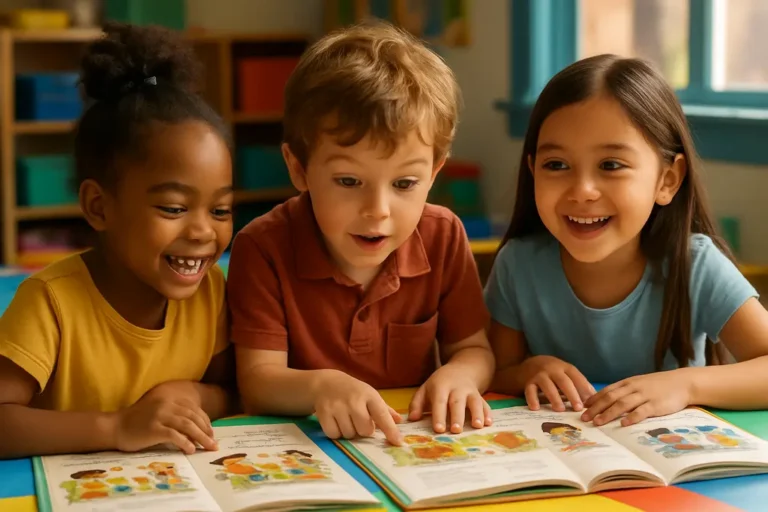
English-only Head Start could affect DLL preschoolers’ classroom access, home language growth, staffing, and family-school trust.
English Learner Support for K-12 Schools
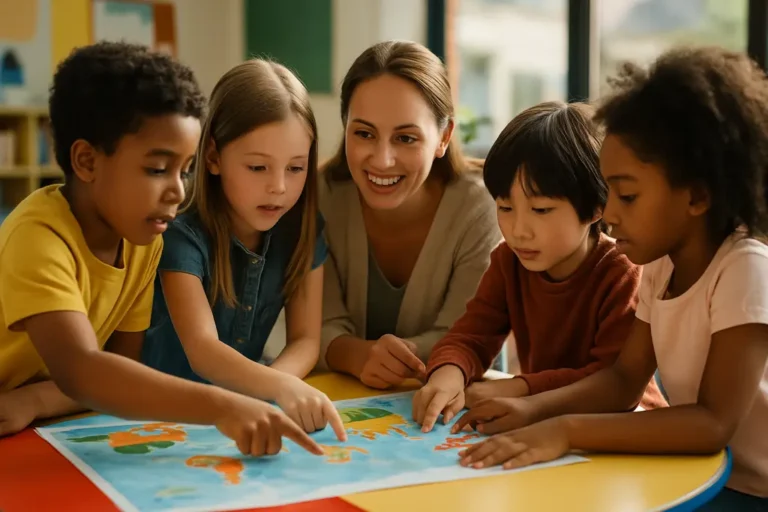
English Learner Support strategies for K-12 teams: co-teaching, language scaffolds, literacy routines, and family-centered planning.
Why Play-Based Learning Helps Children Speak More Naturally

Children are more likely to communicate when their words, sounds, gestures, or expressions help something happen. Play-based language learning creates those meaningful moments: a child can request another block, protest when a toy is moved, invent a character, or invite someone into a game. The value is not that play Continue Reading
Cross-Linguistic Literacy For Young Readers
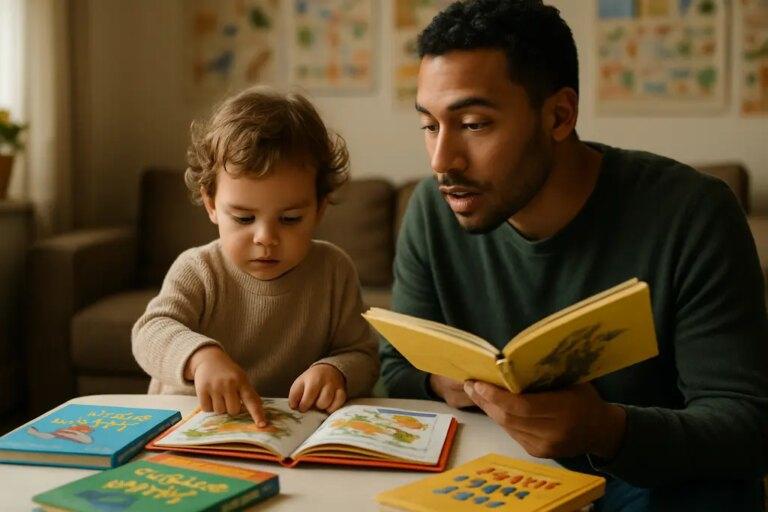
Cross-Linguistic Literacy helps families and teachers connect bilingual reading skills while respecting limits in the research.
Childhood Speech Delays: What Research Shows
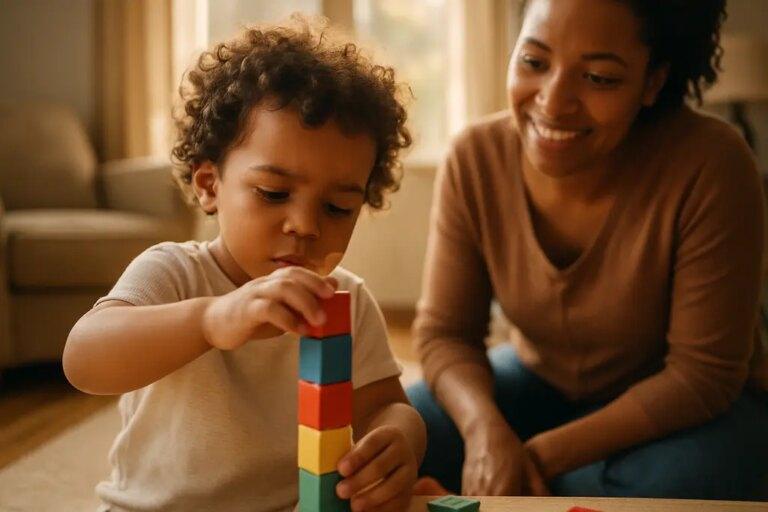
Childhood speech delays have risen in several datasets. Learn what the evidence shows, what remains uncertain, and how families can respond.
How Parents Can Model Better Communication at Home

Children learn communication from more than the instructions adults give them. They also absorb how family members listen, handle interruptions, express frustration, repair misunderstandings, and respond when someone needs more time. That makes modeling communication skills at home one of the most practical ways to support a child’s development. No Continue Reading
How to Support a Quiet Child’s Communication Confidence
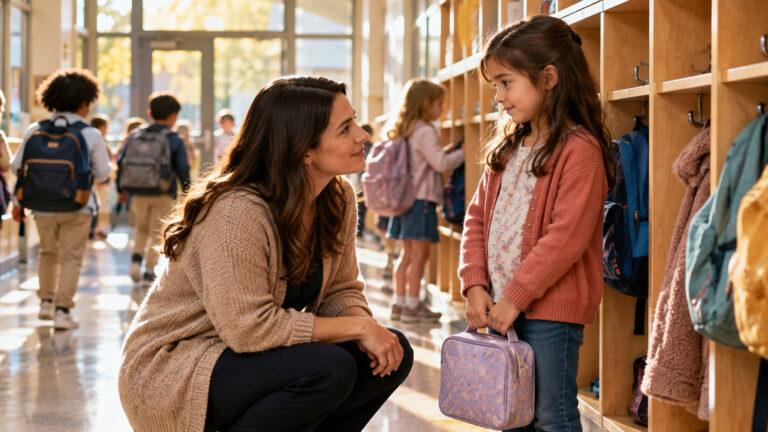
A quiet child may have plenty to say while needing more time, familiarity, or safety before saying it. Building communication confidence in quiet children begins with recognizing this difference: confidence is not measured by how quickly, loudly, or publicly a child speaks. Adults can help by creating comfortable openings for Continue Reading
A Child Should Not Need Perfect Words to Be Understood

A child should not have to produce a perfect word before receiving help, comfort, food, or a break. Helping children communicate needs begins by recognizing that a request can arrive through speech, gestures, signs, pictures, facial expressions, sounds, or a communication device. Adults can make those requests easier by noticing Continue Reading
Hand Gestures Parents Use to Support Learning
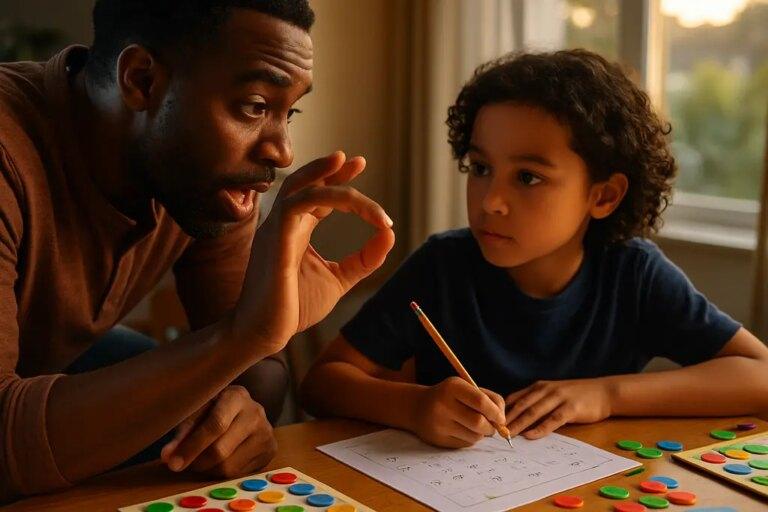
Hand gestures can help children connect words with meaning. See evidence-based ways parents can use movement during play, reading, and bilingual talk.