

English-only Head Start proposals may affect bilingual preschoolers, family communication, and home-language support. See evidence and limits.
Bilingual Development
Multilingual Infants and Memory Flexibility

Multilingual Infants may show early memory flexibility tied to language exposure, with practical lessons for bilingual development.
English-only Head Start and Bilingual Learners

English-only Head Start could affect bilingual preschoolers’ classroom language, home-language support, and family communication.
English-only Head Start and Bilingual Risk

English-only Head Start could affect DLL preschoolers’ classroom access, home language growth, staffing, and family-school trust.
Cross-Linguistic Literacy For Young Readers
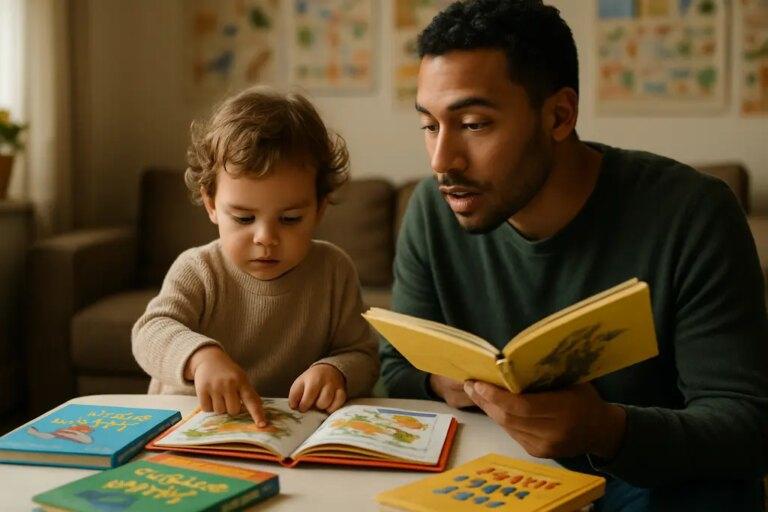
Cross-Linguistic Literacy helps families and teachers connect bilingual reading skills while respecting limits in the research.
Bilingual Socioemotional Development in Early Childhood

Bilingual socioemotional development depends on language exposure, vocabulary, relationships, and context in early childhood.
Simultaneous Bilingual Development After Delays

How simultaneous bilingual development can support children after expressive delays, with evidence-based family strategies and limits.
Bilingual Preterm Toddlers and Language Outcomes

What recent evidence says about bilingual preterm toddlers, assessment limits, and practical ways families can support two languages.
Dual Language Interventions: New Review Insights

Dual language interventions can support bilingual learners when home language, transfer, and caregiver input are planned with care.
One-Way Dual Language Vs Transitional Programs

Compare One-Way Dual Language and transitional bilingual programs using current evidence, limits, and practical questions for families.