
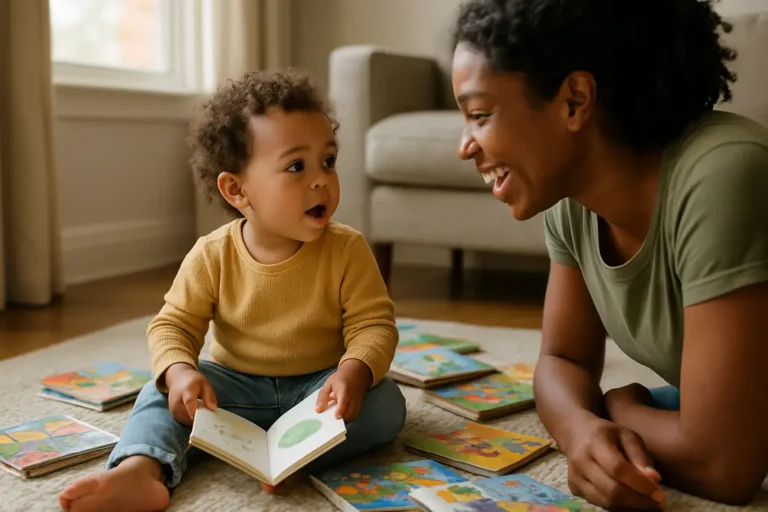
Bilingual speech milestones can look different by language. Learn what research says about first words, vocabulary, and practical support.
Mia Harper
AAP Communication Strategies for Tough Talks
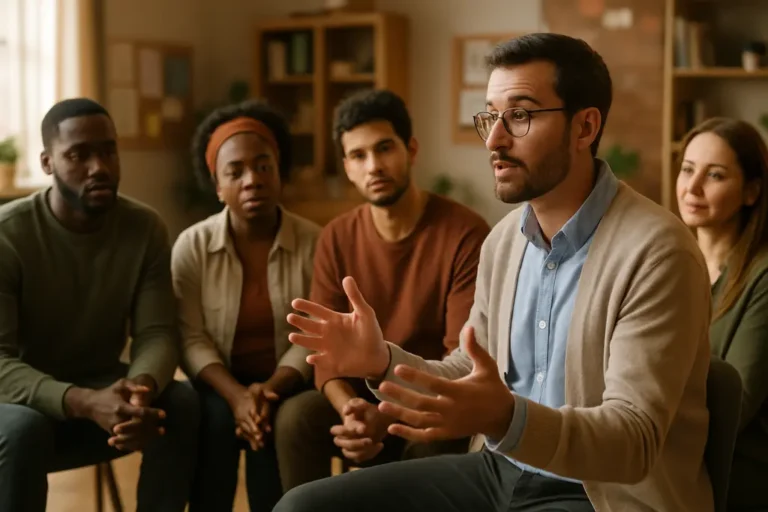
AAP Communication Strategies at the 2026 conference highlighted trust, misinformation, and practical ways pediatricians connect with families.
Bilingual Child Gestures and Early Learning

Bilingual child gestures can reveal early communication strengths. Learn what recent research suggests and how parents can respond.
Language Acquisition Research: MacWhinney Legacy

Language Acquisition Research can help parents and educators connect speech milestones with evidence, context, and careful observation.
How to Support a Quiet Child’s Communication Confidence
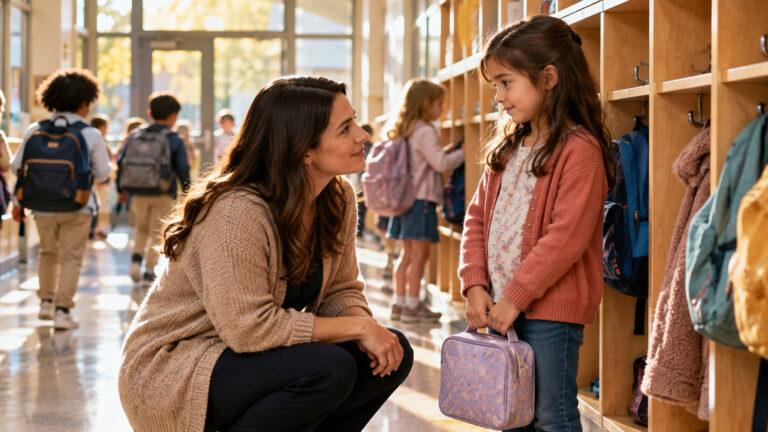
A quiet child may have plenty to say while needing more time, familiarity, or safety before saying it. Building communication confidence in quiet children begins with recognizing this difference: confidence is not measured by how quickly, loudly, or publicly a child speaks. Adults can help by creating comfortable openings for Continue Reading
A Child Should Not Need Perfect Words to Be Understood

A child should not have to produce a perfect word before receiving help, comfort, food, or a break. Helping children communicate needs begins by recognizing that a request can arrive through speech, gestures, signs, pictures, facial expressions, sounds, or a communication device. Adults can make those requests easier by noticing Continue Reading
Culturally Responsive Interventions for DLLs

Culturally responsive interventions can support bilingual children when home language, family routines, and culture guide language goals.
Bilingual Storytelling: Digital or Traditional?
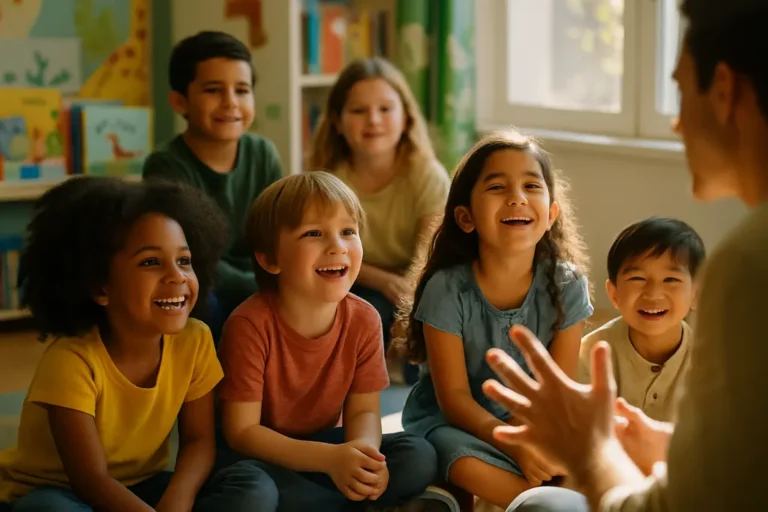
Bilingual Storytelling can use screens or spoken retell. Learn what research supports, what remains uncertain, and how adults can help.
What to Do When a Child Is Misunderstood: Teaching Communication Repair

A child says something, the listener looks confused, and the conversation stalls. Communication repair in children is the skill of noticing that a message did not land and trying another way to make it understood—not simply saying the same thing louder or being corrected until every sound is perfect. Breakdowns Continue Reading
Speech Delay Spike After the Pandemic: What Helps

The speech delay spike after COVID-era disruptions is real in several datasets. Learn what parents can track and discuss with clinicians.