

A toddler who puts a toy “in the box” when asked may seem to have mastered the word in. But change the objects, remove the pointing gesture, or ask the child to explain where something is, and the same concept may suddenly become harder. That distinction matters in spatial concepts Continue Reading
Celina Vasquez
How Parents Can Model Better Communication at Home
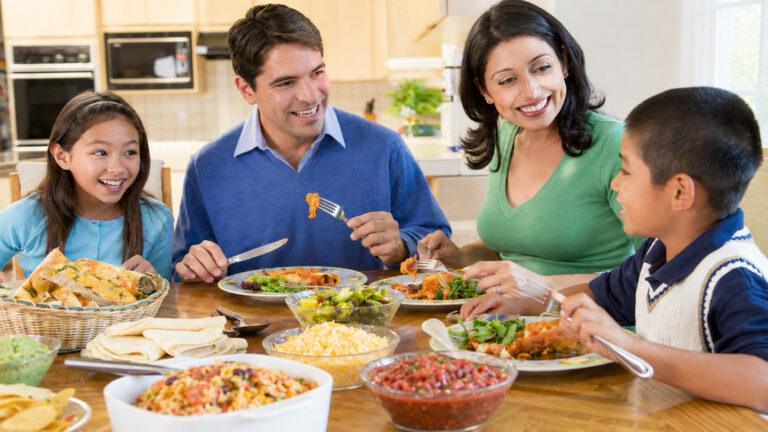
Children learn communication from more than the instructions adults give them. They also absorb how family members listen, handle interruptions, express frustration, repair misunderstandings, and respond when someone needs more time. That makes modeling communication skills at home one of the most practical ways to support a child’s development. No Continue Reading
How Songs and Rhymes Support Communication Skills

A familiar rhyme does more than entertain a child. Used responsively, songs and rhymes for language development create a predictable structure in which children can listen, anticipate, move, make sounds, supply words, and participate before they can manage a full conversation. Their value is not that music automatically produces new Continue Reading
How Shared Attention Supports Better Communication

A child points toward a bird, looks at a parent, and makes an excited sound. That brief exchange captures the foundation of shared attention and communication: two people focusing on the same experience and recognizing that the moment belongs to both of them. These interactions matter because children communicate long Continue Reading
When Do Children Start Understanding Words Like Before and After?

A child may understand “Put your shoes on before we leave” yet struggle with “Touch the red block before the blue one.” That difference is central to understanding when children understand before and after: learning these words is not simply memorizing two definitions but learning how language can rearrange the Continue Reading
When Do Children Start Using “If” and “Then” in Sentences?

A child can describe what is happening long before they can easily explain what might happen. Understanding when children use if then means looking at that shift: from talking about visible events to linking a possible condition with a consequence that has not happened yet. “If you put the block Continue Reading
When Do Children Start Using “Because,” “But,” and “And” Correctly?
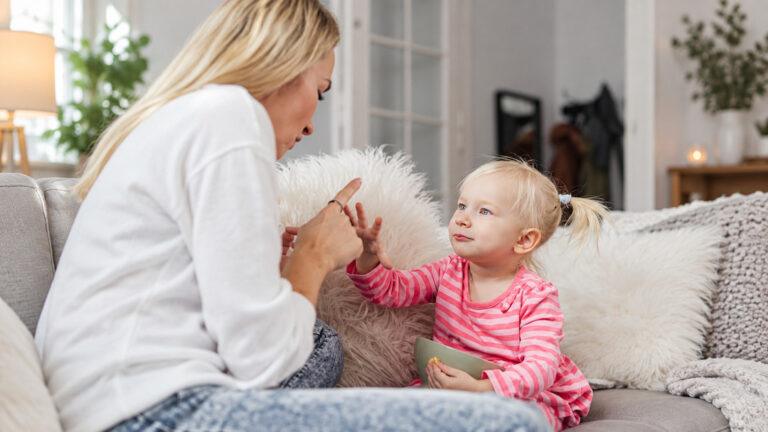
A child who says “I wanted the red one, but…” may sound as if they have mastered a sophisticated piece of grammar. Yet knowing when children use conjunctions requires looking beyond whether the word appears at all. “And,” “but,” and “because” do different jobs, and children can begin producing them Continue Reading
Family Screen-Time Boundaries That Make Room for Conversation
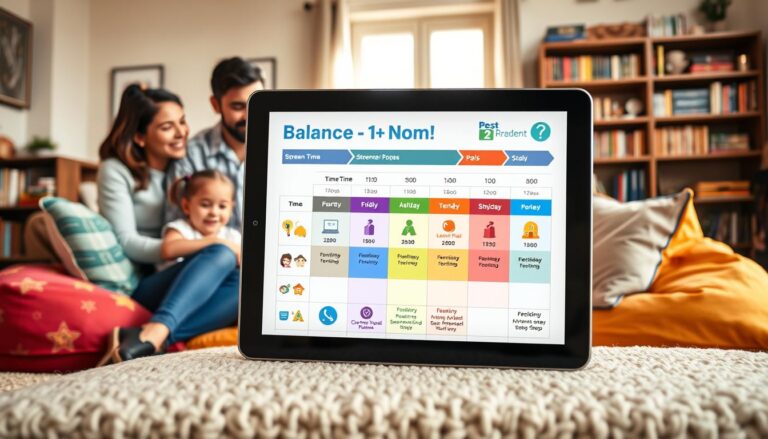
Build manageable family screen-time boundaries around everyday conversation, playful exchanges, age-appropriate content, and continued access to communication tools.
What Happens to Language Around Age Two? Researchers Are Mapping the Shift
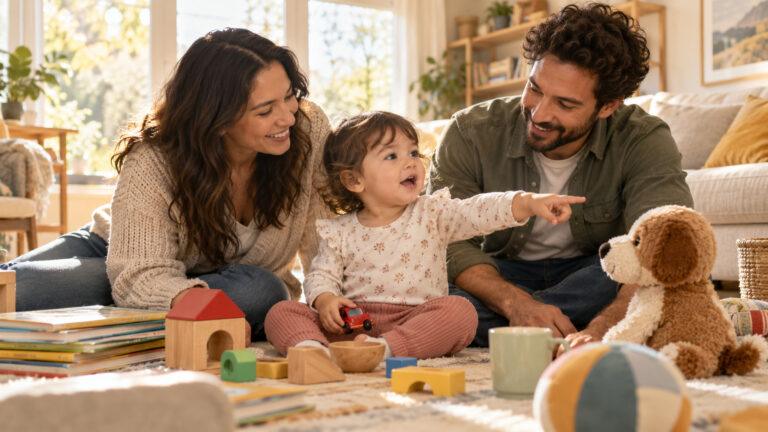
A two-year-old may seem to move quickly from scattered words to combinations that suddenly sound more organized. New research suggests that language development around age two may involve something deeper than simply collecting more vocabulary: the relationships between words themselves appear to become more complex. That does not mean every Continue Reading
Why Pairing Gestures With Words May Help Children Understand More
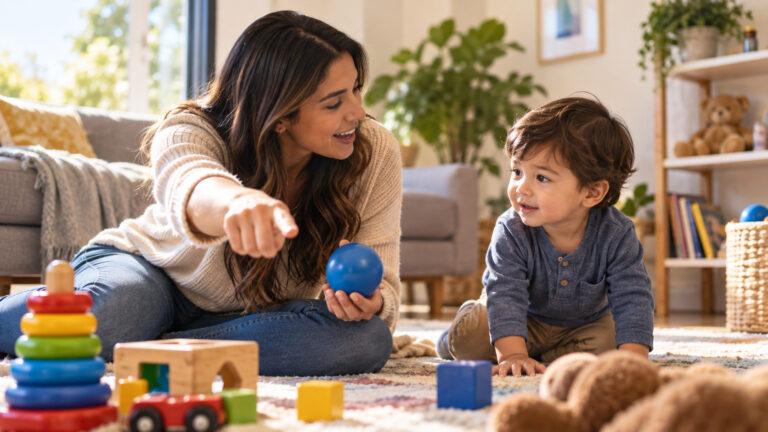
A parent says, “Put this piece over there,” while pointing to the correct spot. Another says the same sentence without moving. The words match, but the child is not receiving the same information. New research is adding another layer to what we know about gestures and language development: meaningful movements Continue Reading