
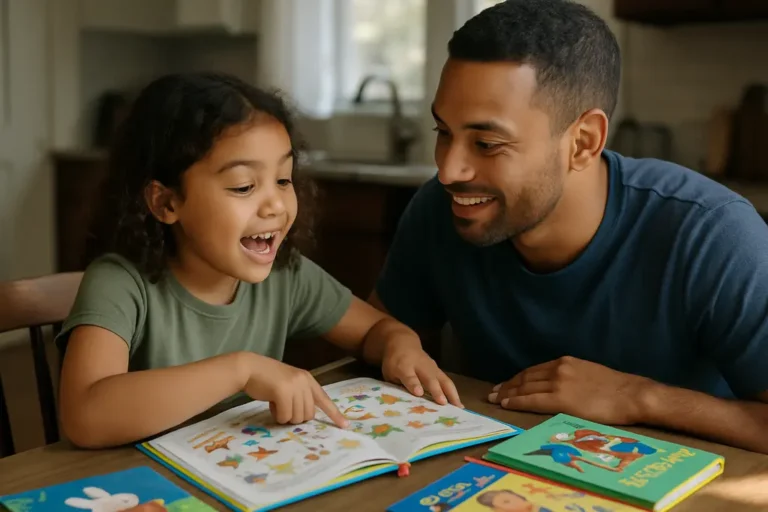
Bilingual Language Activities grounded in recent research, with practical ideas for translanguaging, shared stories, and home-school use.
Language Activities
Overhearable Speech and Toddler Word Growth

Overhearable Speech may support some toddler word learning after age two, but directed talk still matters. Evidence-based guidance for families.
Speech Delay Strategies for Young Children

Speech delay strategies grounded in screening evidence, parent coaching, and daily routines for young children with communication concerns.
Why Play-Based Learning Helps Children Speak More Naturally
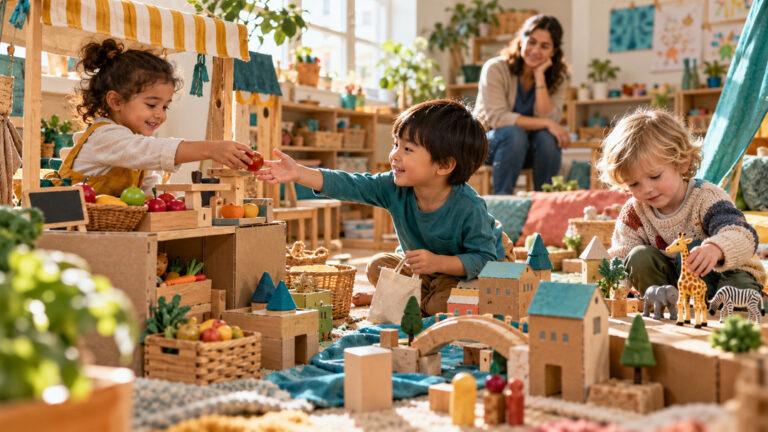
Children are more likely to communicate when their words, sounds, gestures, or expressions help something happen. Play-based language learning creates those meaningful moments: a child can request another block, protest when a toy is moved, invent a character, or invite someone into a game. The value is not that play Continue Reading
How Songs and Rhymes Support Communication Skills

A familiar rhyme does more than entertain a child. Used responsively, songs and rhymes for language development create a predictable structure in which children can listen, anticipate, move, make sounds, supply words, and participate before they can manage a full conversation. Their value is not that music automatically produces new Continue Reading
How bilingual decodable texts Build Biliteracy
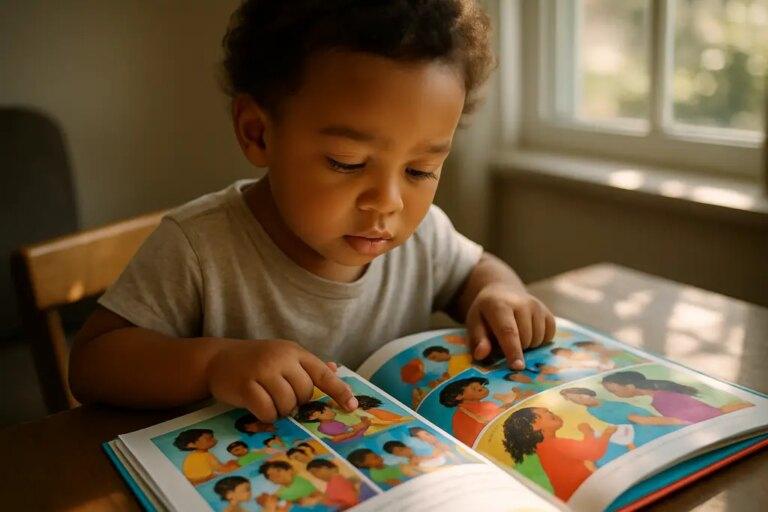
Use bilingual decodable texts to support K–3 biliteracy with phonics, family reading routines, and realistic progress checks.
AI Bilingual Vocabulary in Early Learning
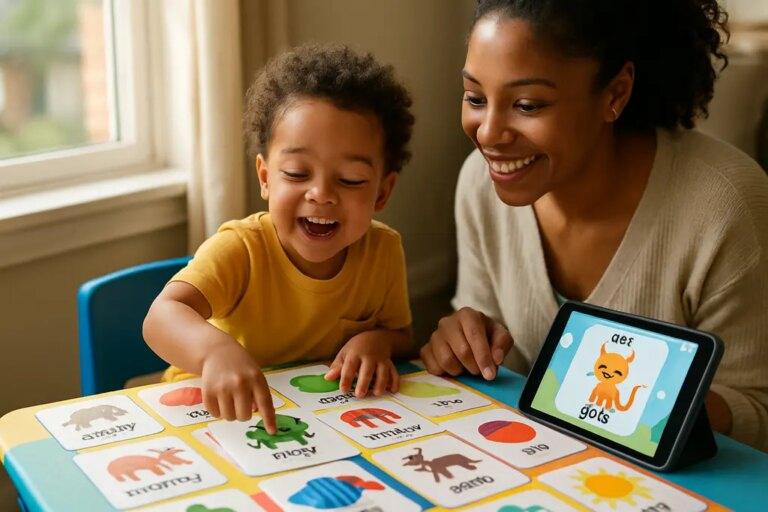
AI Bilingual Vocabulary tools may support preschool word learning when paired with play, stories, family language, and careful adult guidance.
Multilingual Vocabulary Activities for Word Growth
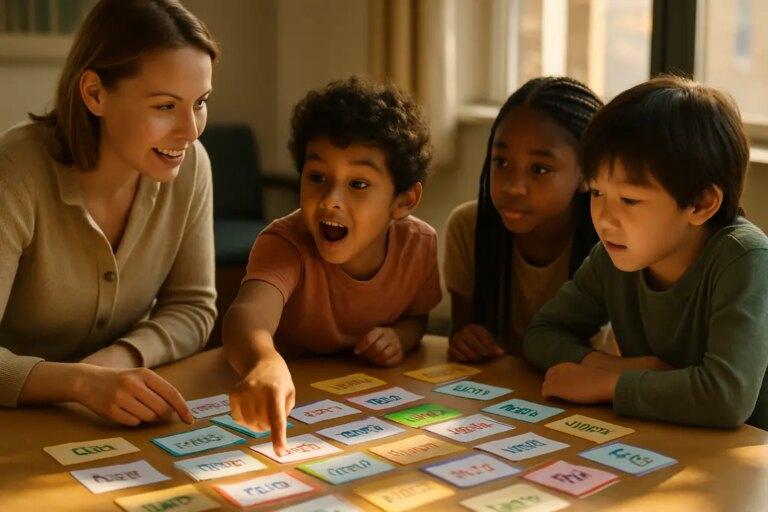
Use multilingual vocabulary activities with shared reading, word maps, home-language links, and careful progress checks for growing learners.
Metacognitive Scaffolding for Multilingual Readers
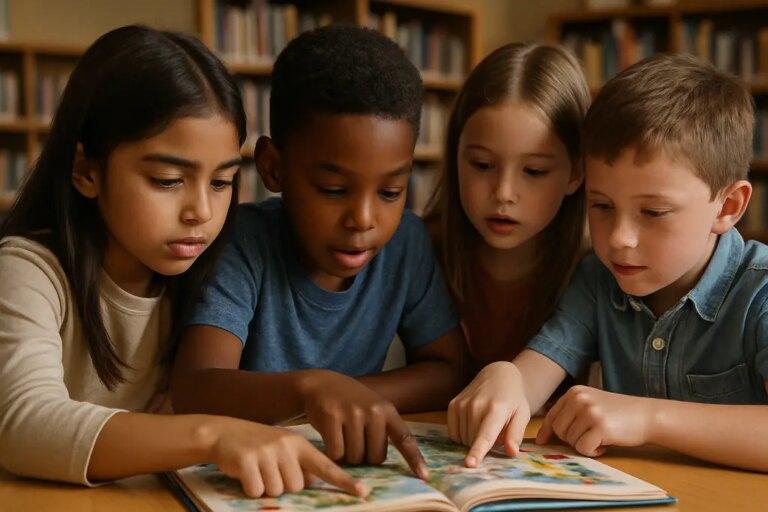
Use metacognitive scaffolding to help multilingual children monitor meaning, talk through texts, and build reading routines at school and home.
Why Pairing Gestures With Words May Help Children Understand More
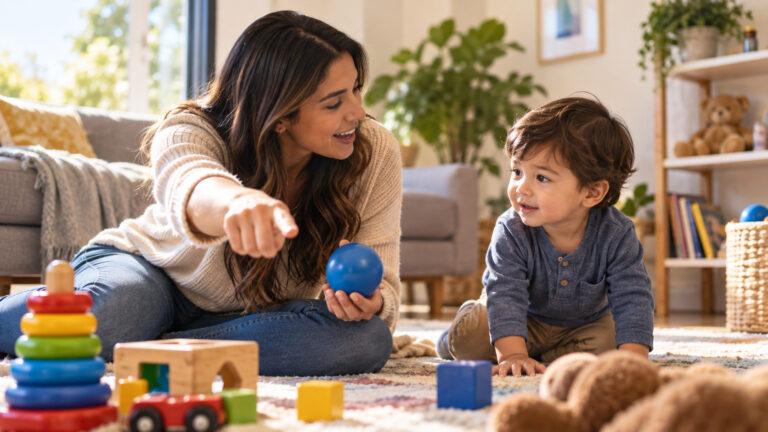
A parent says, “Put this piece over there,” while pointing to the correct spot. Another says the same sentence without moving. The words match, but the child is not receiving the same information. New research is adding another layer to what we know about gestures and language development: meaningful movements Continue Reading