
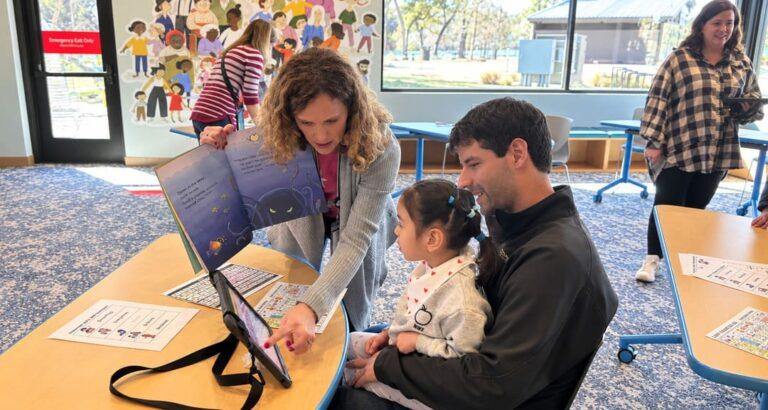
Reading together should give children a chance to share ideas, make choices, and enjoy a story—even when spoken words are difficult or unreliable. For children who use augmentative and alternative communication (AAC), storytime can include pointing to pictures, selecting messages on a communication device, using signs, making sounds, or responding Continue Reading
Jenna Brooks
ASHA Communication Milestones: Parent Update

ASHA Communication Milestones help parents review speech, language, and hearing skills from birth to age 5 without replacing evaluation.
How bilingual decodable texts Build Biliteracy
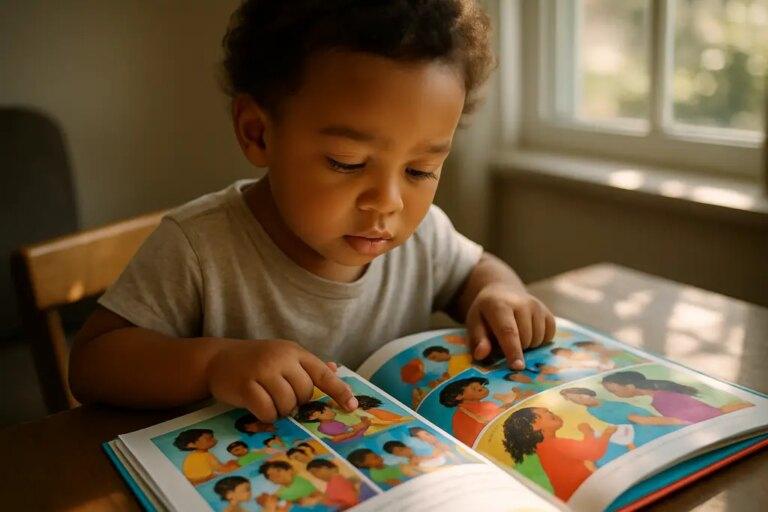
Use bilingual decodable texts to support K–3 biliteracy with phonics, family reading routines, and realistic progress checks.
Multilingual Vocabulary Activities for Word Growth
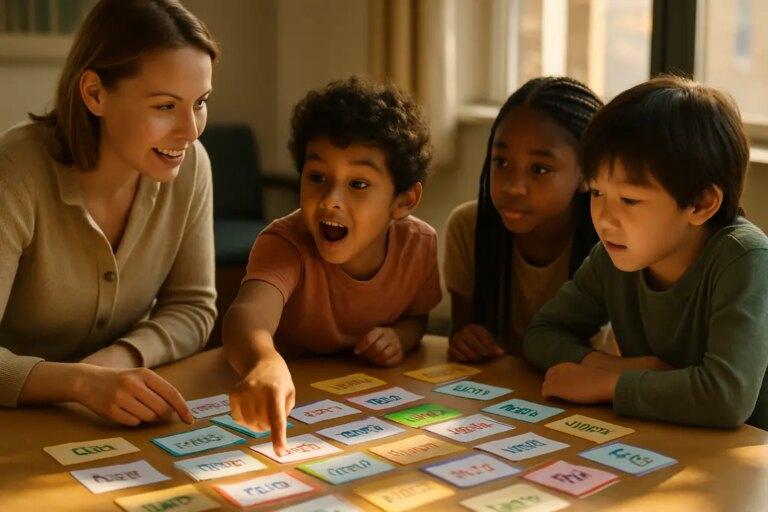
Use multilingual vocabulary activities with shared reading, word maps, home-language links, and careful progress checks for growing learners.
Teacher Discourse Strategies for Bilingual Speech

Teacher discourse strategies can shape bilingual preschool talk. See what recent studies support, what remains uncertain, and what to try.
Child Self-Reporting In Bilingual Proficiency
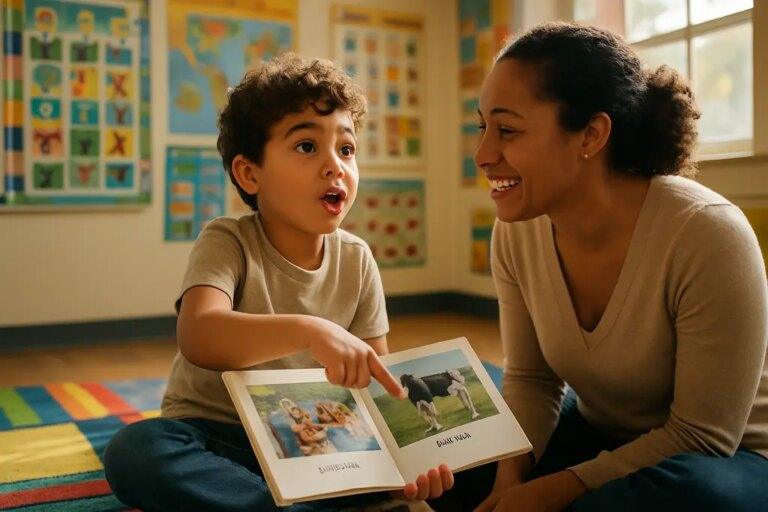
Child Self-Reporting can add useful context to bilingual proficiency checks when paired with parent input and direct language measures.
Houston Questionnaire for Bilingual Children
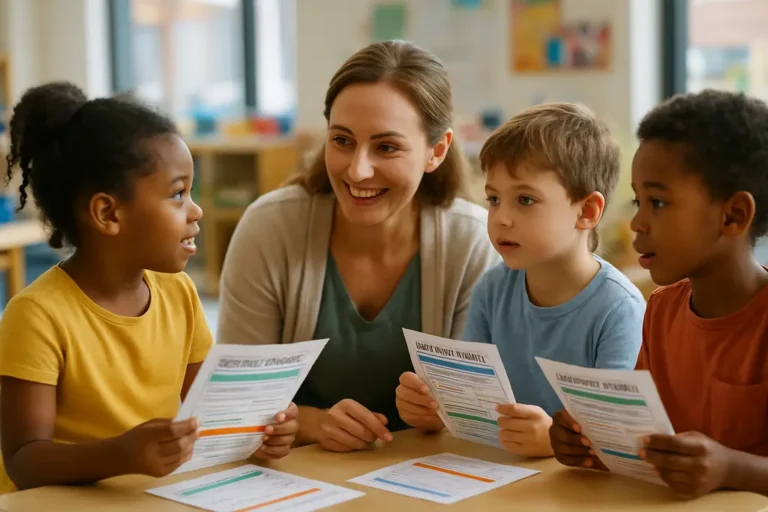
Use the Houston Questionnaire to understand bilingual child self-report, language exposure, and limits in Spanish-English proficiency checks.
How to Use Family Photos to Encourage Conversation and Storytelling

Family photos are usually treated as keepsakes, not language tools. Yet family photos for language development can give children something generic picture cards cannot: a familiar event they may remember, care about, and want to discuss. That familiarity can turn “Who is this?” into a longer exchange about what happened, Continue Reading
Bilingual Language Activities That Support Growth

Use bilingual language activities with clear goals, shared reading, explicit teaching, and family routines grounded in recent child language research.
Bilingual Narrative Skills: Intervention Insights
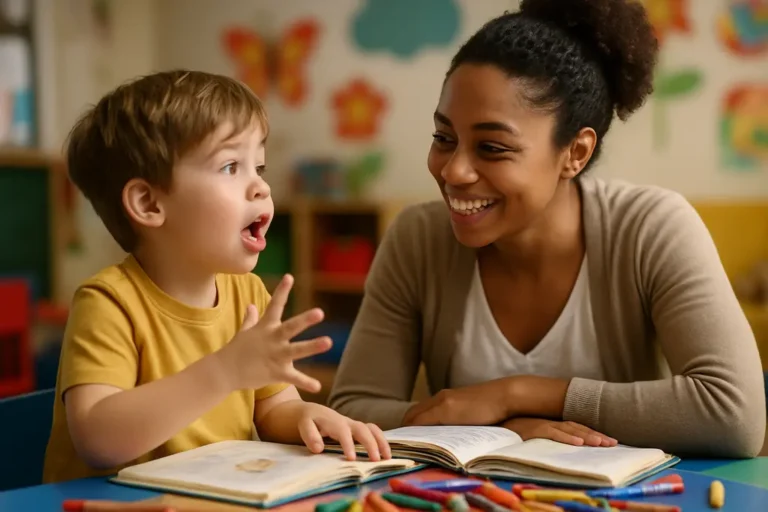
Support bilingual narrative skills with evidence-based story retell, parent coaching, and practical progress checks for young children.