
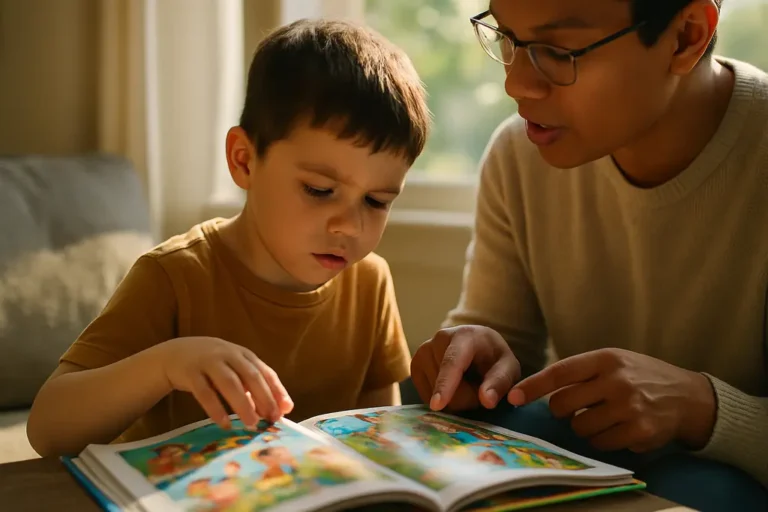
Bilingual Autistic Children may adapt differently across home languages. Learn what recent research suggests and what support can look like.
Mia Harper
Speech Development Paths for Low-Income Children
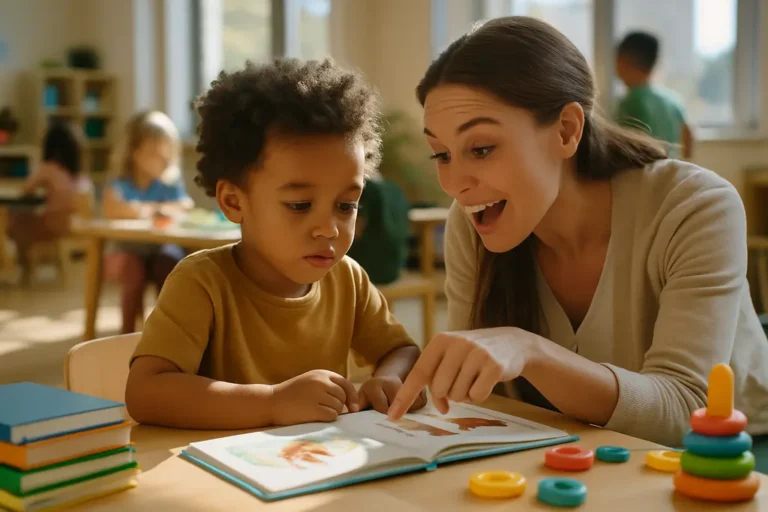
Speech development paths differ among low-income children. Learn what research supports, what varies, and how adults can respond.
“Mad” Isn’t the Only Feeling: How a Bigger Emotion Vocabulary Helps Preschoolers Communicate

A preschooler who says “I’m mad” may actually be disappointed, jealous, frustrated, embarrassed, or overwhelmed. Building emotion vocabulary for preschoolers is not about teaching impressive words; it gives children more precise ways to explain experiences that otherwise may come out as crying, withdrawing, yelling, or a vague “I don’t like Continue Reading
emergent bilingual screening That Reduces Mislabels
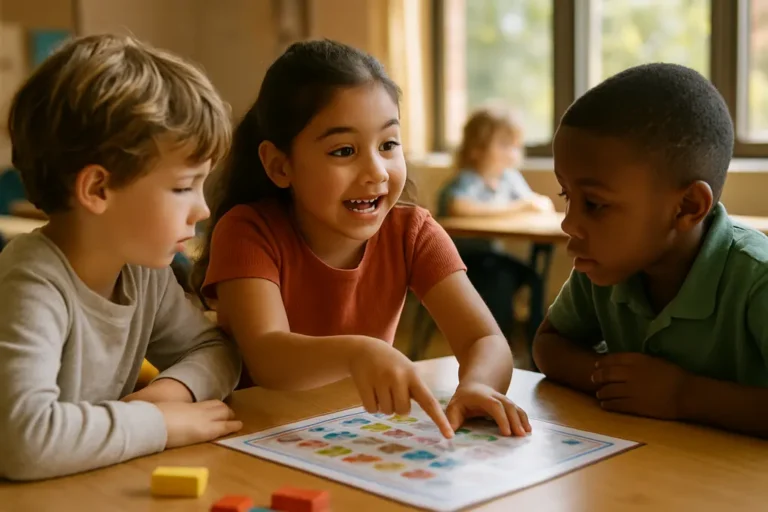
Use emergent bilingual screening practices that combine family input, both languages, observation, and cautious interpretation.
Instructional Language and Bilingual Proficiency
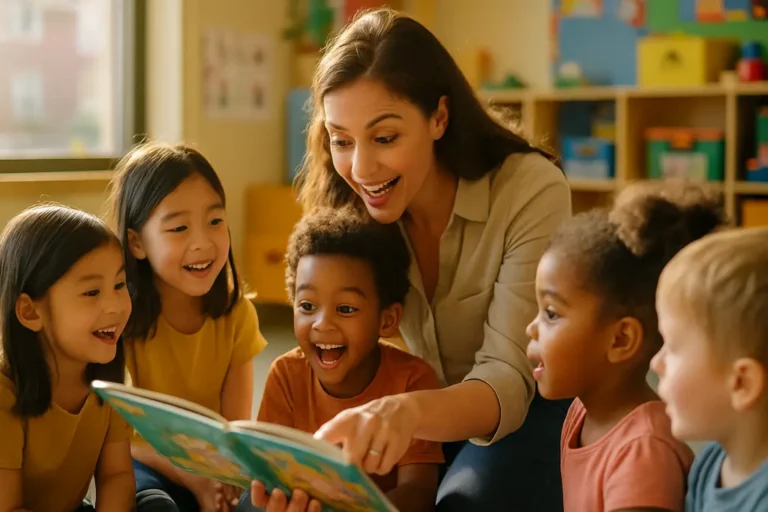
How instructional language relates to Spanish-English preschoolers’ bilingual growth, with research limits and practical support ideas.
Why Does My Child Repeat Lines From Shows or Conversations? Understanding Echolalia
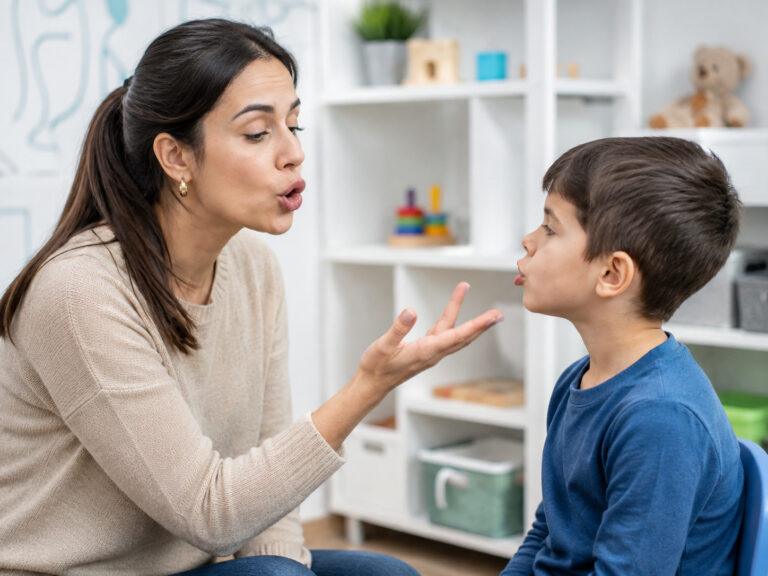
A child repeats the question you just asked instead of answering it. Later, the same child quotes a line from a favorite show during dinner, play, or a stressful transition. Echolalia in children can sound puzzling from the outside, but repeated language is not automatically random, meaningless, or something adults Continue Reading
When Bilingual Preschool Is Out of Reach, Home Can Still Carry the Language

Many parents want a preschool that supports both English and the home language. The problem is that access often depends on neighborhood, staffing, cost, transportation, and which languages a program is equipped to serve. That gap can leave families feeling as if bilingual development depends entirely on finding the right Continue Reading
Play to Talk: A Weekly Home Plan Using Toys, Books, and Everyday Moments

What if the best way to learn language didn’t need a special time or lots of flashcards? Mister Clay SLP says you don’t need a set “teaching time.” Language grows in the small, everyday moments. Think about your daily routines. While making breakfast, driving, or cleaning up. These are great Continue Reading
Raising a Bilingual Communicator: Milestones, Myths, and Practical Routines

Many parents worry that using two languages will slow their child’s progress. But, let’s set the record straight. This language delay myth is just a myth. Research shows us the truth. Early communication milestones, like giggling and first words, are the same for all kids. A child learning two languages Continue Reading
Language Switching in Bilingual Kids: What’s Normal and When to Support

Let’s start with a reality check, shall we? In a country that often champions monolingualism, a quiet revolution is happening in American homes. More than one in five children here are assembling a linguistic toolkit that would make a UN interpreter nod in respect. This isn’t an anomaly—it’s the new Continue Reading