

Overhearable Speech may support some toddler word learning after age two, but directed talk still matters. Evidence-based guidance for families.
Multilingual Infants and Memory Flexibility

Multilingual Infants may show early memory flexibility tied to language exposure, with practical lessons for bilingual development.
English-only Head Start and Bilingual Learners

English-only Head Start could affect bilingual preschoolers’ classroom language, home-language support, and family communication.
When Does a Child’s Speech Become Understandable to Other People?

A child can sound perfectly understandable at home and leave a grandparent, teacher, or unfamiliar adult asking, “What did they say?” That difference does not automatically mean something is wrong. Speech intelligibility by age develops gradually, and how clearly a child is understood depends on far more than whether individual Continue Reading
AAP Communication Strategies for Tough Talks

AAP Communication Strategies at the 2026 conference highlighted trust, misinformation, and practical ways pediatricians connect with families.
Bilingual Child Gestures and Early Learning

Bilingual child gestures can reveal early communication strengths. Learn what recent research suggests and how parents can respond.
Speech Delay Strategies for Young Children

Speech delay strategies grounded in screening evidence, parent coaching, and daily routines for young children with communication concerns.
Bilingual Development Support With Family Partners

Bilingual development support works best when family goals, home languages, and community access are treated as connected resources.
Speech Development Delays After the Pandemic
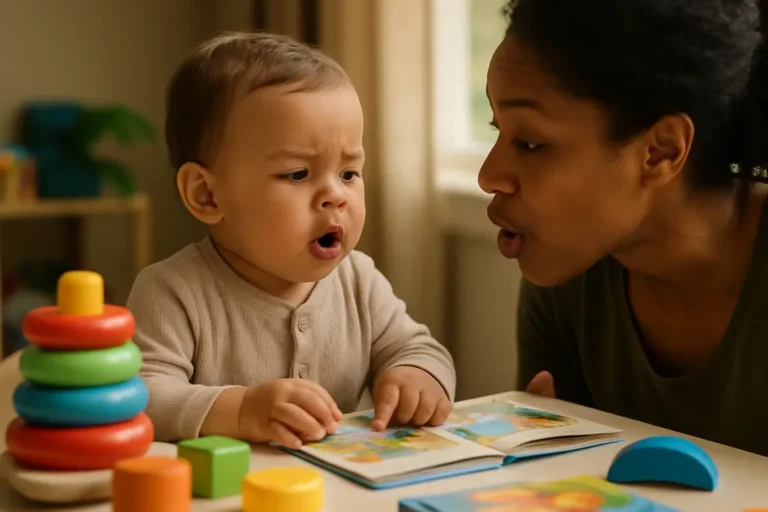
Speech development delays rose modestly in some post-pandemic data. Learn practical, evidence-based ways parents can monitor and support language.
Why Repetition Helps Children Learn New Words

Hearing a new word once may spark recognition, but knowing that word requires more than remembering its sound. Repetition and vocabulary development work together most effectively when children encounter useful words across different moments, meanings, and relationships. Parents do not need to schedule vocabulary lessons throughout the day. Books, songs, Continue Reading