

Project ImPACT can support social communication when coaching respects home language, daily routines, and family culture.
Resources and Tools
Parent Self-Reporting for Bilingual Skills

Parent self-reporting can help explain bilingual exposure, proficiency, and support needs when used with other child measures.
Bilingual Development Support With Family Partners

Bilingual development support works best when family goals, home languages, and community access are treated as connected resources.
English Learner Support for K-12 Schools

English Learner Support strategies for K-12 teams: co-teaching, language scaffolds, literacy routines, and family-centered planning.
Caregiver Grammar Resources for DLD Risk

Caregiver grammar resources can support young children at risk for DLD through coached talk, shared reading, and realistic grammar goals.
Caregiver-Mediated Interventions for Grammar

Caregiver-Mediated Interventions can support at-risk preschoolers, but grammar gains may need time, coaching, and follow-up.
Metacognitive Literacy Strategies for DLLs

Use metacognitive literacy strategies to support DLL reading routines with evidence-aligned tools, prompts, and planning guidance.
Child Self-Reporting In Bilingual Proficiency

Child Self-Reporting can add useful context to bilingual proficiency checks when paired with parent input and direct language measures.
Houston Questionnaire for Bilingual Children
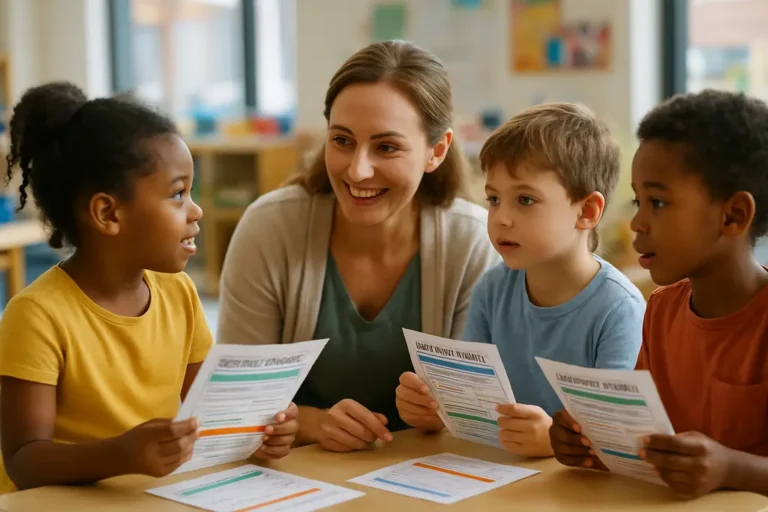
Use the Houston Questionnaire to understand bilingual child self-report, language exposure, and limits in Spanish-English proficiency checks.
Bilingual Narrative Skills: Parent Resources
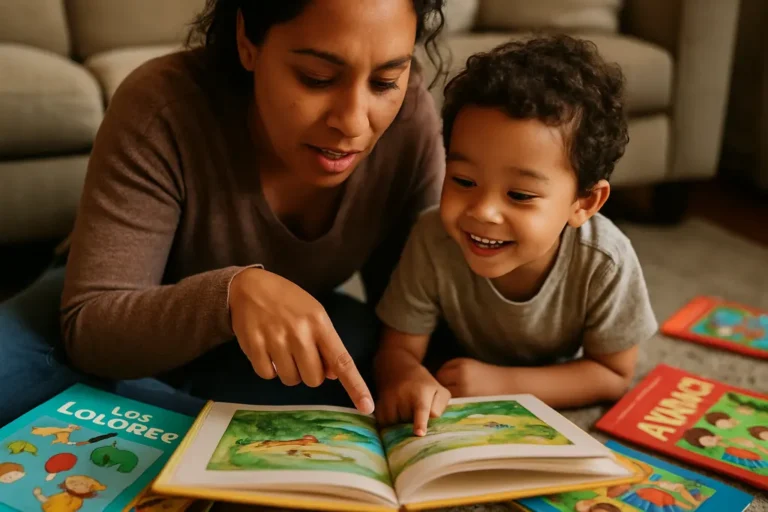
Build bilingual narrative skills with parent-friendly story retell, home-language reading, open questions, and realistic progress checks.