

Many parents want a preschool that supports both English and the home language. The problem is that access often depends on neighborhood, staffing, cost, transportation, and which languages a program is equipped to serve. That gap can leave families feeling as if bilingual development depends entirely on finding the right Continue Reading
Babies Do Not Need Better Screen Content, They Need More People

The debate about screens often sounds like a search for the right video, the right app, or the right educational label. For babies and young toddlers, that framing can miss the bigger developmental issue. The concern around screen time under two is not only what children watch. It is what Continue Reading
Your Phone May Be Stealing the Small Conversations Children Need

A parent does not need to ignore a child all day for a phone to change the rhythm of communication. The bigger issue is often smaller: a glance during breakfast, a notification during play, a scroll during bedtime, a reply during a child’s story. Those moments matter because early language Continue Reading
Children Are Not Losing Communication Skills All at Once, They Are Missing Practice

Children’s communication skills are not built by hearing words float through the room. They grow when a child asks, waits, listens, explains, disagrees, repairs a misunderstanding, tells a tiny story, and gets a real response from another person. That is why the screen-time conversation is starting to sound less like Continue Reading
The 10-Minute Basket That Turns Ordinary Objects Into Toddler Talk

Language activities for toddlers do not need flashcards, expensive toys, or a speech plan that makes parents feel like therapists. A small basket filled with familiar household objects can create the kind of screen-free, repeatable talk routine toddlers actually understand: look, touch, name, choose, pretend, request, and take turns. That Continue Reading
Toddler Speech Milestones Are Now a Screen-Time Wake-Up Call for Parents

Toddler speech milestones used to feel like a simple checklist: first words, two-word phrases, clearer sentences, more naming. Now the question feels sharper for many parents because screens have moved into the same hours when toddlers are supposed to be practicing gestures, sounds, turns, requests, and back-and-forth talk. The point Continue Reading
When Toddlers Pick One Parent’s Language, It Is Not Always a Problem
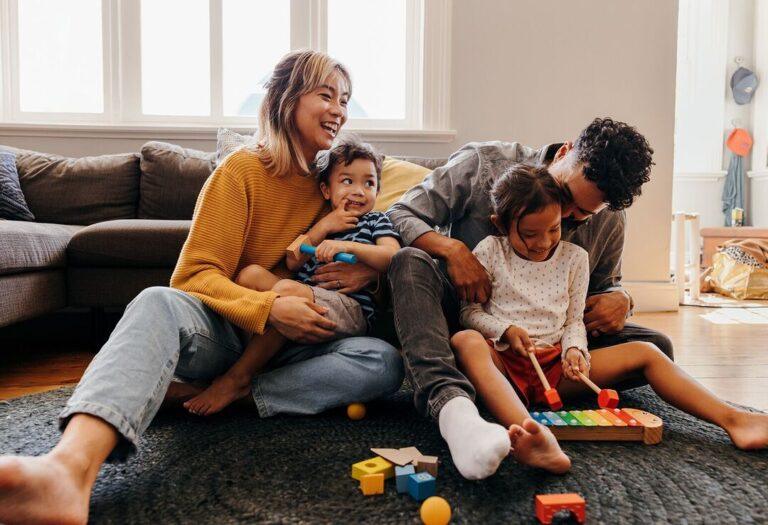
A one parent one language toddler routine can sound beautifully simple until real life gets involved. One parent uses Spanish, the other uses English, and the toddler answers both of them with “no,” “more,” or a determined silence that makes everyone wonder whether the plan is working. The better question Continue Reading
The Real Screen-Time Question Isn’t Minutes, It’s Lost Conversation.
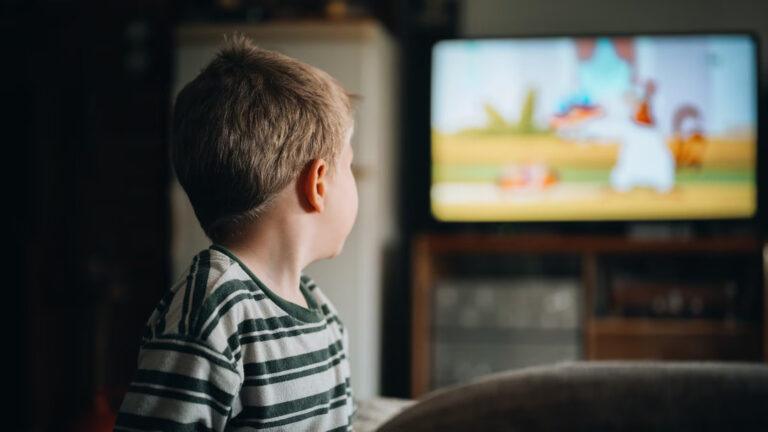
Screen time and toddler speech are now linked in one of the most stressful questions many parents ask: is the tablet helping, hurting, or simply filling a hard part of the day? The better answer is not built on panic. It starts with understanding what screens may replace when toddlers Continue Reading
How Starting Preschool Can Change a Bilingual Child’s Language Use

A bilingual child starting preschool may suddenly use more of the community language, speak less in class, or bring home words the family has never used together. These changes can feel unsettling, but they often reflect adaptation to a new language environment rather than rejection of the home language. Preschool Continue Reading
Two-Word Phrases: When Toddlers Begin Combining Words

Two-word phrases may sound simple, but “more milk,” “mommy go,” and “big truck” represent a major change in toddler language. The child is no longer relying only on isolated labels; two ideas are being connected to create a more precise message. This transition usually develops alongside vocabulary growth, stronger understanding, Continue Reading