

When a young child begins repeating sounds, getting stuck on words, or struggling to finish sentences, parents often wonder whether they should correct the speech, wait for it to improve, or seek professional help. The most helpful first response is to listen patiently, avoid pressuring the child to speak smoothly, Continue Reading
Natalie Vaughn
Bilingual Language Activities That Support Growth
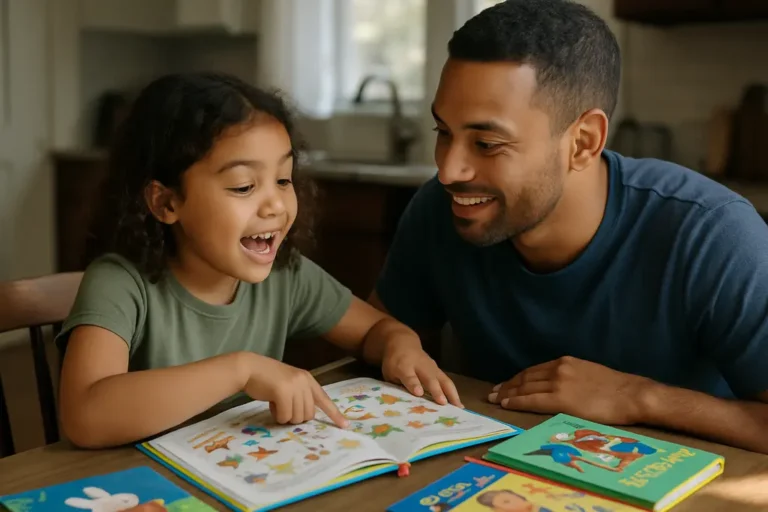
Bilingual Language Activities grounded in recent research, with practical ideas for translanguaging, shared stories, and home-school use.
Parent Self-Reporting for Bilingual Skills

Parent self-reporting can help explain bilingual exposure, proficiency, and support needs when used with other child measures.
Overhearable Speech and Toddler Word Growth

Overhearable Speech may support some toddler word learning after age two, but directed talk still matters. Evidence-based guidance for families.
Bilingual Development Support With Family Partners

Bilingual development support works best when family goals, home languages, and community access are treated as connected resources.
AI Bilingual Vocabulary in Early Learning

AI Bilingual Vocabulary tools may support preschool word learning when paired with play, stories, family language, and careful adult guidance.
Caregiver-Mediated Interventions for Grammar

Caregiver-Mediated Interventions can support at-risk preschoolers, but grammar gains may need time, coaching, and follow-up.
Metacognitive Literacy Strategies for DLLs

Use metacognitive literacy strategies to support DLL reading routines with evidence-aligned tools, prompts, and planning guidance.
Bilingual Narrative Skills: Parent Resources
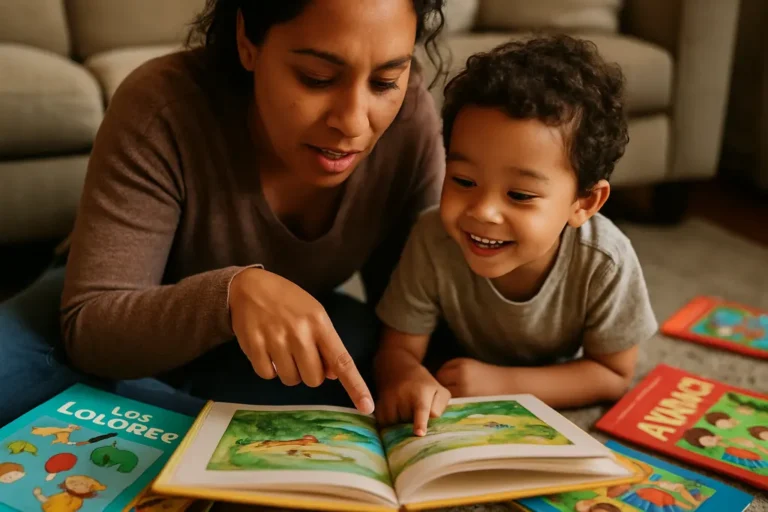
Build bilingual narrative skills with parent-friendly story retell, home-language reading, open questions, and realistic progress checks.
Speech Practice at Home Should Not Feel Like a Daily Test

When a child is waiting for services or attending speech therapy once or twice a week, parents often ask what they can do between sessions. The answer is not to become a full-time therapist at the kitchen table. The better model is parent coaching speech practice: helping caregivers support specific Continue Reading