Screen time and toddler speech are now linked in one of the most stressful questions many parents ask: is the tablet helping, hurting, or simply filling a hard part of the day? The better answer is not built on panic. It starts with understanding what screens may replace when toddlers need words, turns, gestures, play, and real responses from people.
That distinction matters because screens are not disappearing from family life. The real parenting challenge is deciding when a screen is crowding out language and when it can become part of a more intentional routine, especially when smart co-viewing turns watching into talking, pointing, naming, waiting, and responding.
Where Screen Time and Toddler Speech Actually Connect
Toddlers do not learn speech by hearing words alone. They learn by watching faces, testing sounds, getting reactions, copying gestures, and discovering that words make things happen. A child says “ball,” an adult rolls the ball back, and the word suddenly has power.
That is the piece screens can weaken. The risk is not only the video itself. The risk is the missing exchange around it.
A 2024 cohort study of children ages 12 to 36 months found that higher screen exposure was associated with fewer adult words, fewer child vocalizations, and fewer back-and-forth conversational turns. At 36 months, each extra minute of screen time was linked with 6.6 fewer adult words, 4.9 fewer child vocalizations, and 1.1 fewer conversational turns in adjusted models, making the concern less about “bad screens” and more about lost parent-child talk.
That does not mean a show causes every speech delay. It does mean language opportunity matters, and toddlers need many small chances each day to practice communication with responsive people.
The Problem Is Crowding Out, Not One Cartoon
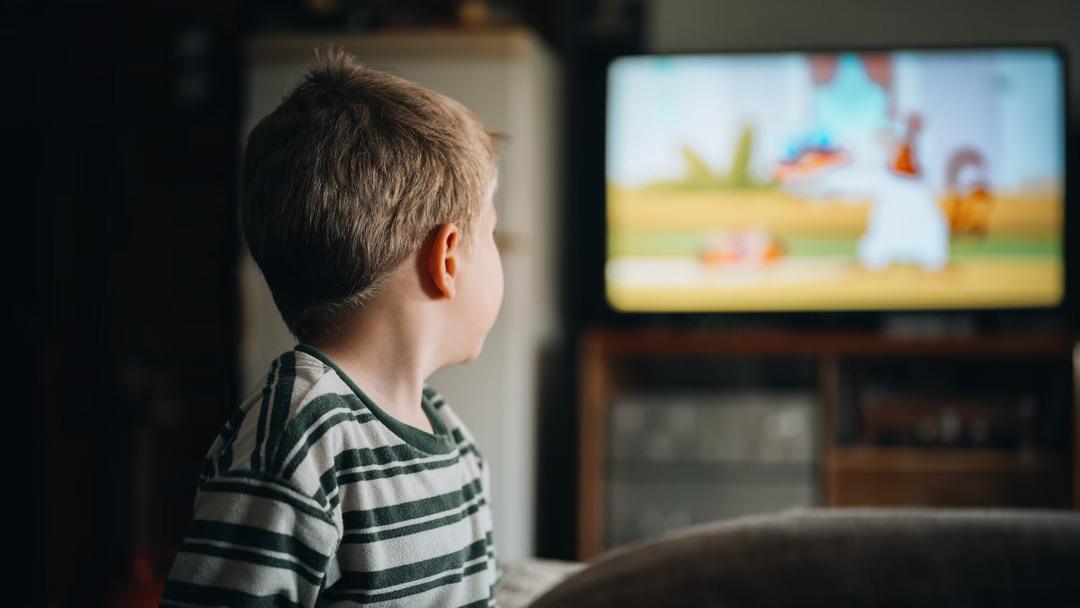
A short, shared video is very different from a tablet running in the background for hours. One can create a small language moment. The other can become noise that fills the room while everyone talks less.
This is where many families get confused. Parents may focus only on the number of minutes, but the stronger question is what the screen is replacing. Did it replace a book? Outdoor play? Mealtime conversation? A bedtime routine? A child asking for help? A parent noticing a new sound?
The key question is simple: after the screen goes off, is the child more connected to people, play, and words or more stuck, silent, and upset?
This does not mean parents must be available every second. It means certain parts of the day are worth protecting: meals, diaper changes, bath time, book time, short walks, and the first few minutes after daycare pickup. These moments naturally invite naming, turn-taking, imitation, and emotional language.
A Parent-Friendly Screen Check
Parents do not need a perfect media plan to support speech. They need a realistic way to notice patterns. The table below can help families separate lower-risk screen habits from habits that may deserve a reset.
| Screen Habit | Possible Speech Concern | Better Parent Move |
|---|---|---|
| Background TV during meals | Fewer natural conversations | Turn it off and name foods, choices, and actions |
| Solo tablet use during transitions | Less practice asking for help | Use simple phrases like “help me,” “open,” or “my turn” |
| Repeated videos with no adult interaction | Child watches but does not respond | Pause and ask, “What happened?” or “Where is the dog?” |
| Screens used for every tantrum | Fewer chances to learn emotion words | Label feelings and offer a calm non-screen routine |
| Co-viewed educational content | Can support shared language | Repeat words, act out scenes, and connect them to real life |
The pattern matters more than one difficult day. A sick day with extra videos is not the same as months of screen use replacing play, books, and conversation.
What Parents Should Watch Before Blaming Screens
Speech delay is not always about screens. Hearing issues, developmental differences, limited interaction, prematurity, family history, oral-motor challenges, and broader communication delays can all play a role. Some toddlers understand a lot but say little. Others use words but struggle to combine them. Some communicate with gestures before speech catches up.
That is why parents should avoid two mistakes: ignoring a concern because “every child talks when ready,” or assuming the screen is the only cause.
A useful home check is to look beyond word count. Does the toddler point, wave, bring objects to show you, imitate sounds, respond to their name, follow simple directions, enjoy shared play, and try to communicate wants? These behaviors reveal more than whether a child can repeat a word from a video.
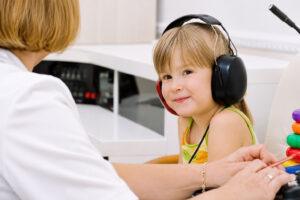
If a child loses skills, rarely responds to people, shows limited gestures, seems not to hear well, or is not progressing, parents should speak with a pediatrician and ask about speech-language or early intervention evaluation. Early help is not a label. It is support during a window when communication can grow quickly.
How To Make Screen Time More Language-Rich
The most helpful screen habit is not complicated: do not let the screen do all the talking.
Sit close when possible. Comment on what your child sees. Use short phrases. Pause the video and wait. Copy a silly sound. Turn a song into a movement game. After the screen ends, connect the idea to real life: “The dog jumped. Our dog jumps too.” That bridge helps toddlers move language from the screen into their own world.
Parents can also use a “say it before screen” routine. Before turning on a show, prompt a simple request: “show please,” “more song,” or “watch dog.” After the show, create one real-world action tied to the content. If the video had cars, roll toy cars. If it showed animals, find animal pictures in a book.
Small changes protect back-and-forth practice. The goal is not to turn every moment into a lesson. It is to make sure screens do not erase the ordinary talk that builds speech.
The Next Pressure Point Is Parent Screen Use
Toddler screen time gets most of the attention, but adult phone use can quietly affect speech routines too. A parent can be physically present while still missing a child’s gesture, sound, or attempt to connect. Those missed moments add up.
The American Academy of Pediatrics has moved the conversation toward quality, context, and conversation rather than fear alone. For toddlers and preschoolers, its family media guidance asks parents to think about the child, content, calm, crowding out, and communication a practical framework for deciding whether media is helping or getting in the way of healthier media habits.
A practical rule is to create a few talk-first zones. No screens at the table. No autoplay before bed. No phone scrolling during book time. No tablet as the first response to boredom. These boundaries are small, but they give toddlers more chances to start conversations instead of only consuming noise.
The bigger shift is emotional, not technical. Parents do not need guilt. They need a clearer standard: screens should not regularly replace the human exchanges toddlers need most.
Screen time and toddler speech will stay a live parenting issue because digital media is woven into daily routines. The safest path is not fear or free access. It is intentional use, more shared attention, and faster action when communication feels stalled. A toddler’s best language tool is still a responsive person who notices, waits, answers, and keeps the conversation going.