

How linguistic exposure supports bilingual children’s vocabulary, meaning links, and reading foundations through daily language use.
Simultaneous Bilingual Vocabulary Growth
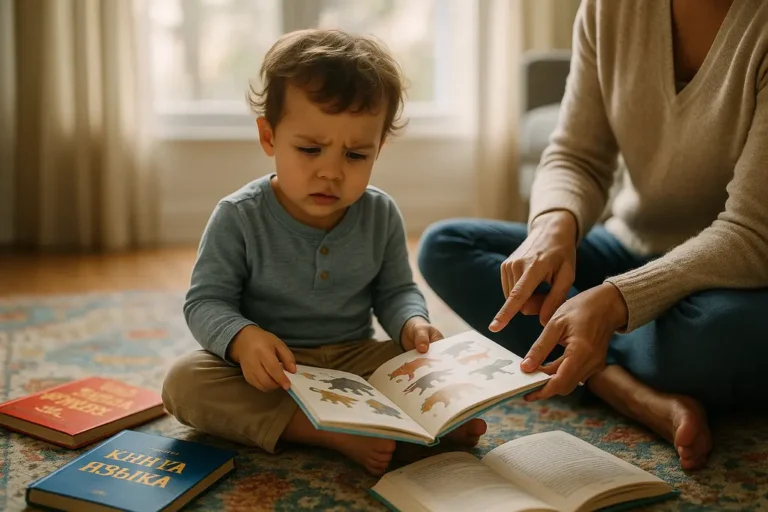
Simultaneous bilingual vocabulary can grow unevenly across languages. Learn what research suggests and how families can read early progress.
A Toddler Just Received a New Gene Therapy for Hearing Loss—What Families Should Understand

A 16-month-old Alabama toddler recently became the first patient at Boston Children’s Hospital to receive a newly approved gene therapy for hereditary hearing loss outside the clinical trial that helped bring it to market. The milestone makes OTOF hearing loss gene therapy sound like a dramatic new option for families, Continue Reading
Immersive Bilingual Experiences and Child Brains

Immersive Bilingual Experiences can affect how children process speech and language; learn what research supports and what remains uncertain.
How many Connecticut parents read to their young children every day — and why it matters

A Connecticut survey released in July 2026 found that seven in 10 participating caregivers of children under 6 said they read with their children every day. Yet the more useful lesson about reading aloud with children is not that every family needs a perfect nightly streak. Time, energy, access to Continue Reading
Researchers Test a New Way to Help Autistic Children Communicate
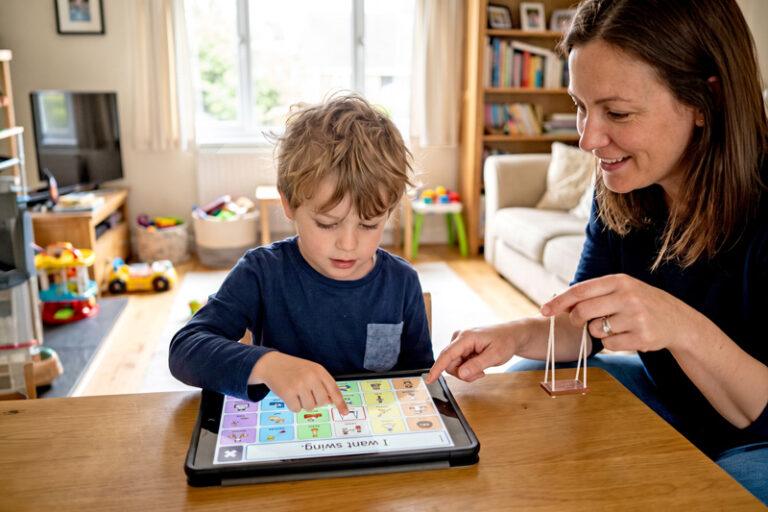
For a young autistic child, an AAC device can provide another way to communicate—but only if the system fits naturally into the interaction. New Nebraska research on visual scene display AAC asks whether familiar photographs can make communication support easier to weave into play instead of repeatedly pulling a child’s Continue Reading
Copy Your Baby’s Sounds Back: Why Timing May Matter More Than Talking More
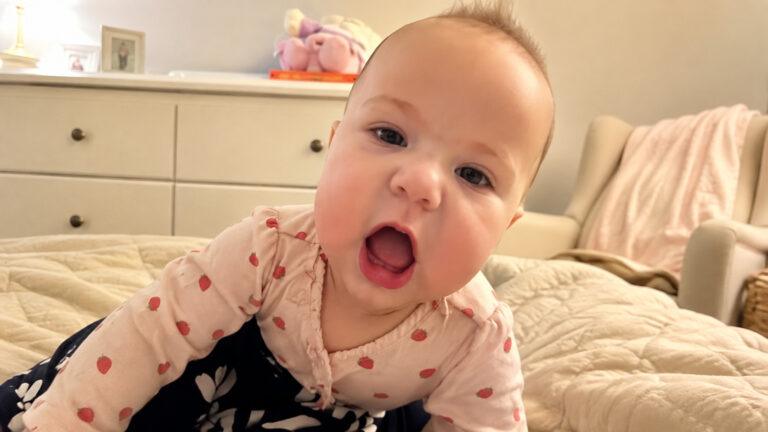
A baby makes an “oooh,” squeals, or strings together a few playful sounds. What happens in the next few seconds may be more useful than filling the room with another minute of adult talk. Responding to baby babble can be as simple as copying the sound, smiling, and leaving enough Continue Reading
If Head Start Moves to English-Only Instruction, How Can Families Protect the Home Language?

A federal proposal could change how language is used inside many Head Start classrooms, but it does not require families to change the language of home. Home language preschool support can still grow through conversations, books, songs, stories, play, and relationships with people who know the child well. For families Continue Reading
Bilingual Literacy Support Should Not Ask Deaf Children to Leave Their Home Language Behind
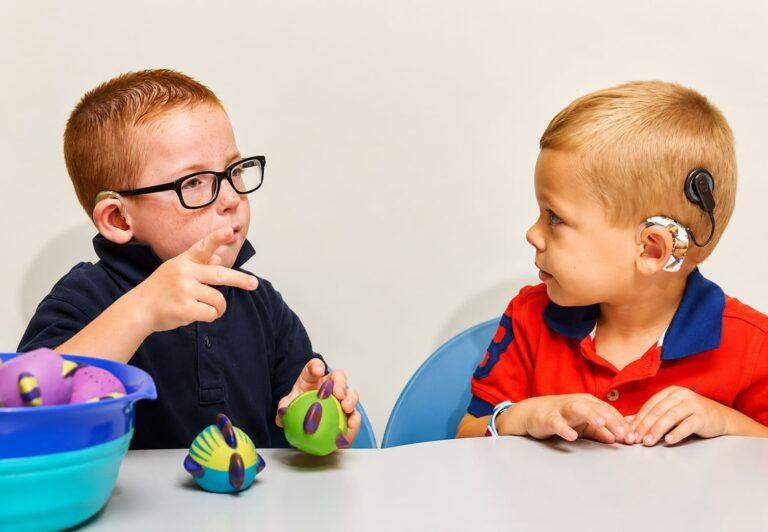
A hearing-loss diagnosis can bring urgent questions about language access, technology, school, therapy, and literacy. It should not automatically bring an instruction to abandon the language a child shares with parents and grandparents. Effective bilingual hearing loss support starts by asking how the child can gain strong access to communication Continue Reading
Asthma Can Affect Breath Support for Speech—But Breathing Difficulty Is Not a Speech Diagnosis

Speaking depends partly on airflow, so it makes sense that parents may notice differences in a child’s voice or phrase length when breathing is difficult. But the relationship between asthma and speech development needs careful boundaries: respiratory symptoms can affect the mechanics of speaking without automatically causing a speech-sound or Continue Reading