

A hearing test can tell whether a child detects a sound, but families often want to know something more practical: what happens when that sound becomes speech in a noisy classroom, car, or playground? New work involving audiobooks is pushing pediatric hearing assessment toward that harder question by studying how Continue Reading
A Child Who Talks at Home but Not at School Needs Less Pressure, Not More Questions
A child can tell elaborate stories at the dinner table and become unable to answer a familiar question once the classroom door closes. That contrast can confuse adults, but selective mutism communication is shaped by anxiety and setting; being able to speak comfortably at home does not mean a child Continue Reading
Preschool Developmental Screening May Change—What Parents Should Still Track

Federal preschool rules may change, but a child’s development will not wait for a policy process to finish. As questions emerge around preschool developmental screening in Head Start, families need a steady distinction: proposed regulations can affect how programs operate, while parents can continue observing progress and requesting professional guidance Continue Reading
A Mandarin Immersion Waitlist Does Not Have to Pause Bilingual Development

A school assignment can determine where a child spends the day, but it does not control whether Mandarin remains part of the child’s life. For families facing a Mandarin immersion waitlist, the useful question is not how to imitate a full school program at home. It is how to keep Continue Reading
Childhood Apraxia Is Not the Same as Late Talking—What Families Should Understand

A toddler who uses few words may be called a late talker, but that description does not explain why speech is developing differently. The distinction in childhood apraxia versus late talking matters because delayed language and difficulty planning speech movements are not the same problem, even when both result in Continue Reading
Illinois Expanded Autism Diagnosis Access—What Parents Should Expect From an SLP Evaluation
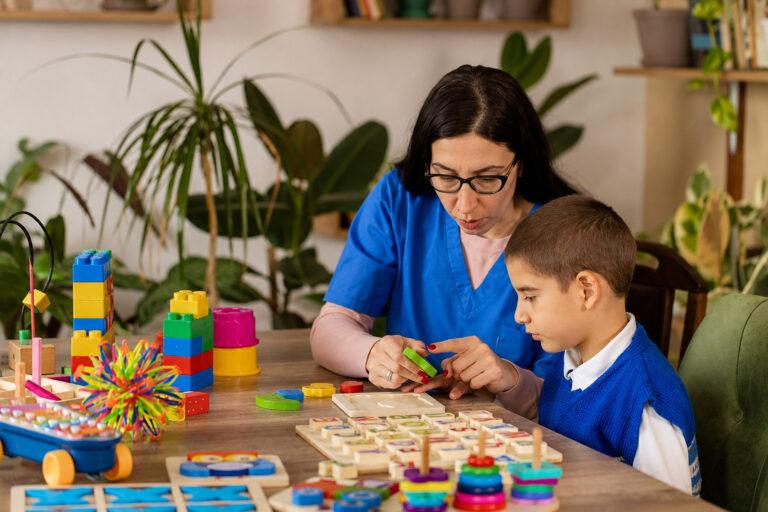
Illinois families may soon reach an autism diagnosis through a professional already involved in many toddlers’ early-intervention services. A speech-language autism evaluation can now provide an additional diagnostic pathway for eligible children under age three, but the new access should not be mistaken for a shorter checklist or a less Continue Reading
Phonological Awareness Starts With Listening and Talking—not Worksheets

Phonological awareness activities do not have to begin with worksheets, pencils, or a child sitting still at a table. Long before children decode print, they can learn to hear rhythm, rhyme, syllables, and sounds through talking, singing, chanting, and playful listening. That matters as states and schools place more attention Continue Reading
When a Child With Communication Needs Changes Schools: Protecting AAC, Therapy, and IEP Continuity

A communication support school transition can affect far more than a classroom assignment. For a child who uses AAC, receives speech-language services, or depends on communication accommodations, a school move can disrupt the tools and routines that make participation possible. Concerns around campus reassignment became especially visible after Texas education Continue Reading
A Free Book in the Mail Helps Most When Families Talk About It
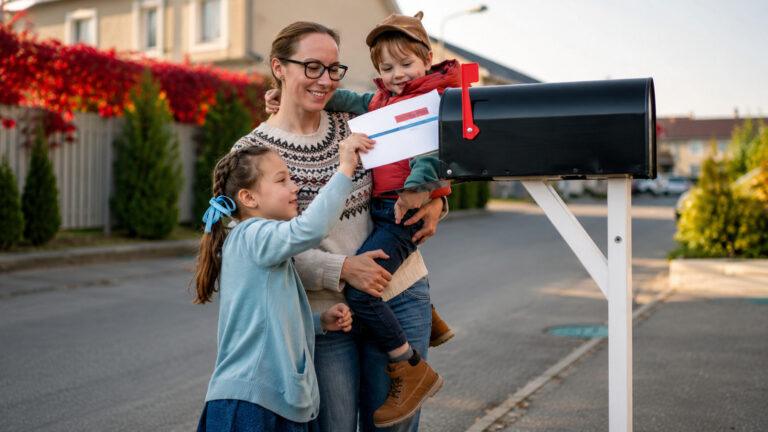
Interactive book sharing begins when a child and caregiver treat a book as something to talk about, point to, act out, and revisit—not just something to finish. A free book in the mail can open the door, but the language growth comes from what families do together on the pages. Continue Reading
ASL at Family Movie Night: How Signed Stories Can Support Shared Communication

ASL stories for children are becoming easier for families to find, and that matters because access is not only about seeing words on a screen. For many Deaf and hard-of-hearing children, signed storytelling can make a family movie feel more shared, more visual, and more emotionally available. Beginning July 20, Continue Reading