
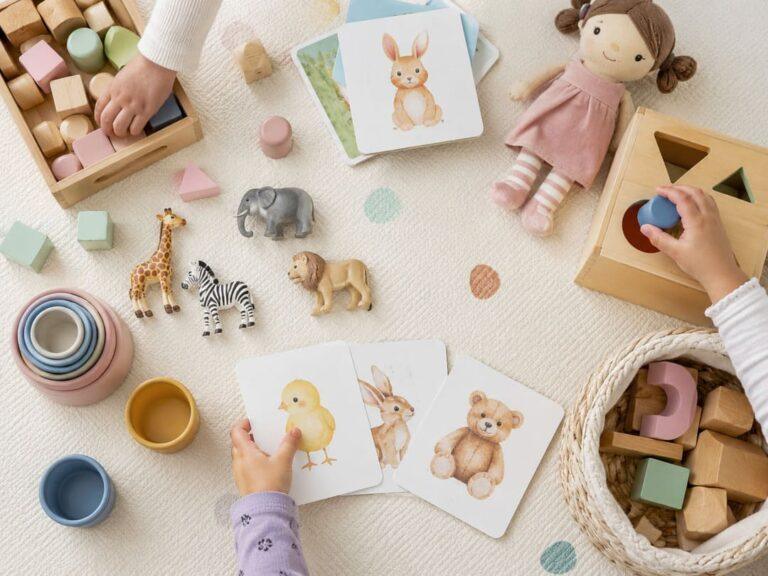
Fun vocabulary activities work best when they do not feel like a lesson. Toddlers and preschoolers learn new words faster when language is tied to movement, objects, emotion, routine, and play they already care about. That matters because many families are trying to support early communication while also managing busy Continue Reading
Feelings Charades & Calm Corner: Build Emotional Vocabulary Through Play
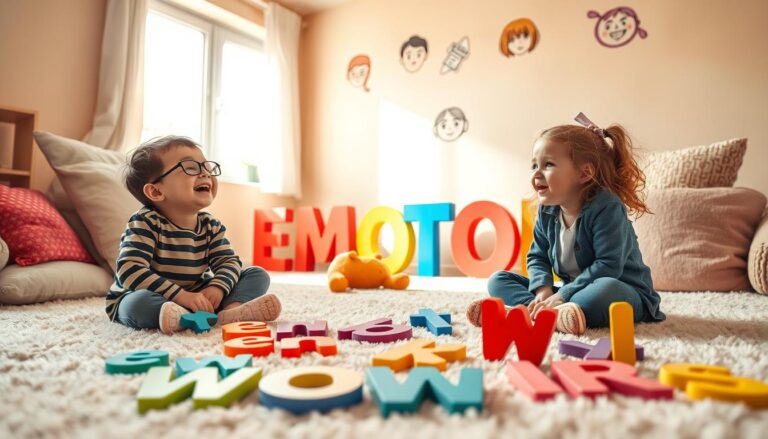
What if understanding your child’s heart is more important than math or reading? Emotional intelligence (EQ) is key. It helps kids know, manage, and understand their feelings and others’ too. Children with high EQ make friends easier. They deal with disappointment well and recover quickly. This starts with naming their Continue Reading
Why Children Communicate Better When They Feel Safe
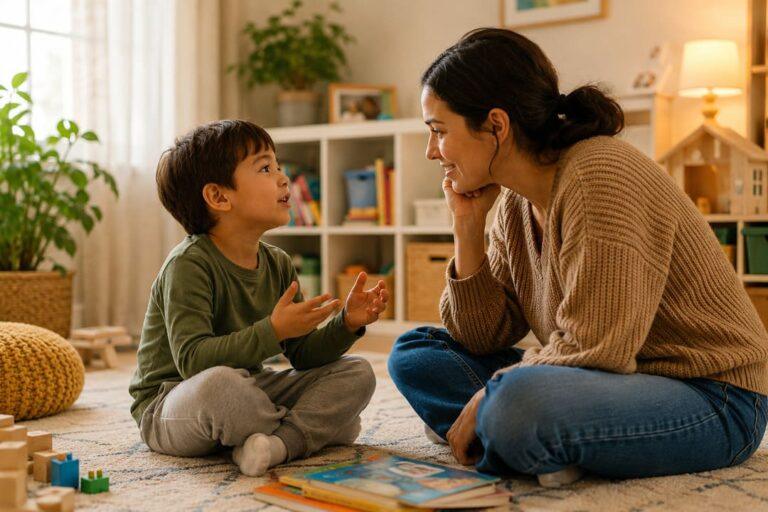
Safe child communication begins long before a child chooses the perfect words. A child who feels judged, rushed, mocked, ignored, or overwhelmed may still speak, but they often stop revealing what they really mean. That matters because families are paying closer attention to speech, language, emotional regulation, and social confidence Continue Reading
Pet Care Play: Grow Verbs, Feelings, and Responsibility Words with Animal Themes
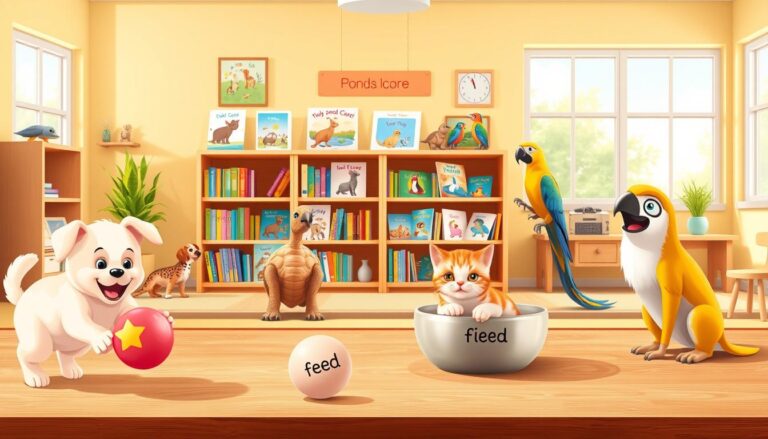
What if the key to unlocking your child’s communication skills was already sitting in their lap, purring or waiting for a walk? Children have a natural, powerful bond with creatures big and small. This connection isn’t just cute—it’s a dynamic classroom. Structured play centered around caring for companions turns fun Continue Reading
Pretend Shop & Restaurant: Money Words, Polite Phrases, and Problem Solving
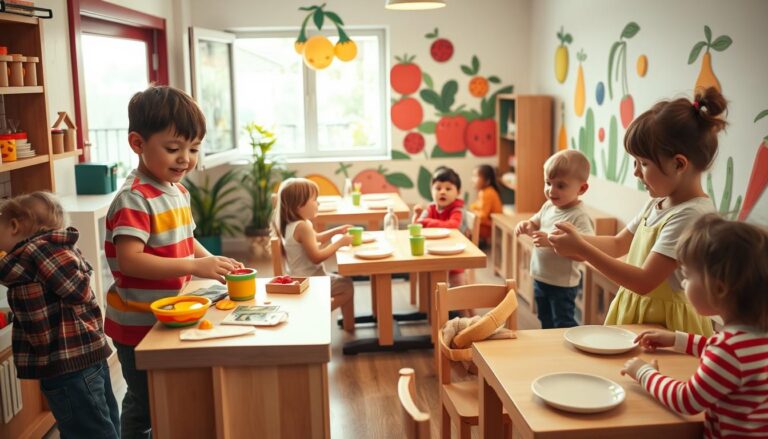
Imagine a world where learning to communicate feels like a fun game. Setting up a simple shop or restaurant at home creates this powerful space. This type of imaginative play is a foundational tool for building real-world skills. Experts in child development agree. Play is a valuable component of speech Continue Reading
Play-Based Language Activities For Preschoolers That Make Learning Feel Like Fun
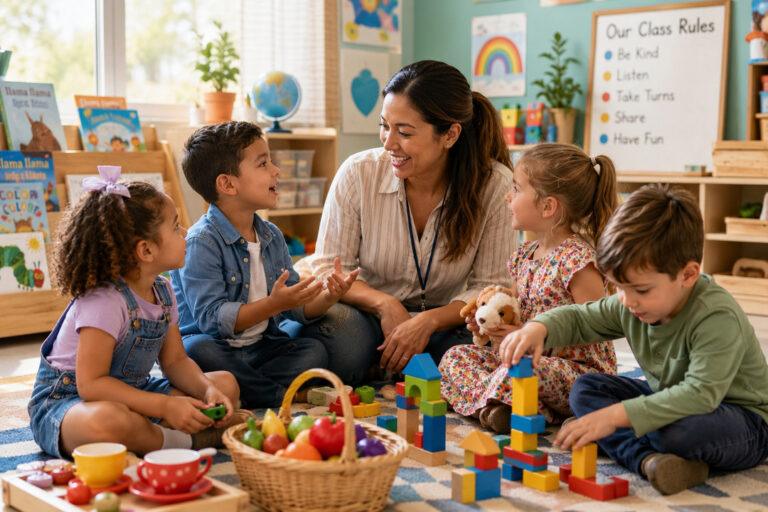
Play-based language activities are often treated like “extra” preschool fun, but they sit much closer to the center of early communication than many adults realize. The child pretending to run a grocery store, negotiate a turn with blocks, or describe a painted monster is not just playing; they are practicing Continue Reading
The Bilingual Myth That Still Makes Parents Doubt Their Child’s Progress
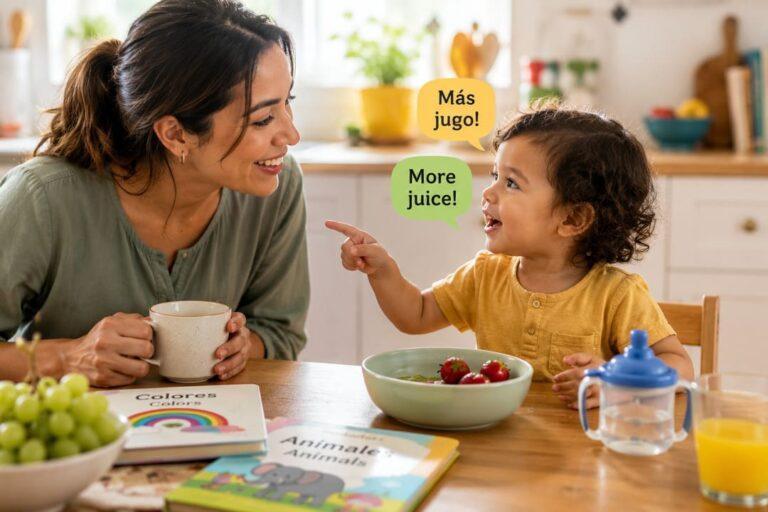
Bilingual development in children often looks less tidy than parents expect, and that is where much of the anxiety begins. A toddler may answer in one language, understand another, mix words in the same sentence, or seem quieter in one setting than another. None of that automatically means something is Continue Reading
Little Art Studio: Crafts that Teach Describing Words, Requests, and Sequencing

Imagine a place where creative projects do more than just look good. They help kids talk better. This happens when making things and learning words go hand in hand. Structured Literacy principles say using all senses is important. Touching clay, seeing colors mix, and hearing scissors cut paper helps words Continue Reading
The Small Daily Habits That Help Toddlers Start Talking

Parents often start worrying about toddler speech at the exact moment daily life becomes loudest: meals, diapers, errands, meltdowns, bedtime. The best language activities for toddlers are not separate lessons squeezed into an already packed day; they are small shifts that turn ordinary moments into better conversations. That distinction matters Continue Reading
The Bilingual Advantage Parents May Be Misreading As Confusion

Bilingual communication skills can look messy before they look impressive. A young child may mix words, understand more than they say, or prefer one language in one setting and another language at home, which can make parents wonder whether two languages are helping or slowing progress. The stronger view is Continue Reading