

A one parent one language toddler routine can sound beautifully simple until real life gets involved. One parent uses Spanish, the other uses English, and the toddler answers both of them with “no,” “more,” or a determined silence that makes everyone wonder whether the plan is working. The better question Continue Reading
Natalie Vaughn
Feelings Charades & Calm Corner: Build Emotional Vocabulary Through Play
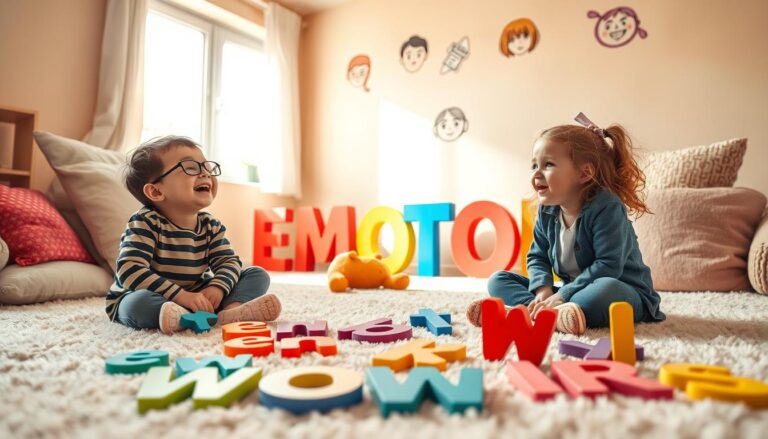
What if understanding your child’s heart is more important than math or reading? Emotional intelligence (EQ) is key. It helps kids know, manage, and understand their feelings and others’ too. Children with high EQ make friends easier. They deal with disappointment well and recover quickly. This starts with naming their Continue Reading
Pet Care Play: Grow Verbs, Feelings, and Responsibility Words with Animal Themes
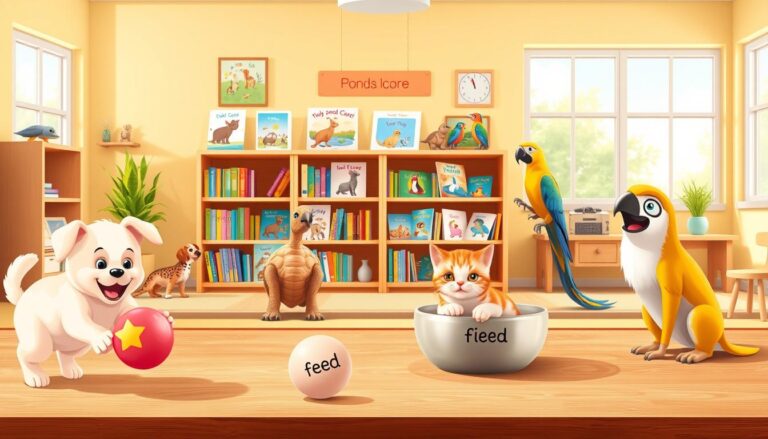
What if the key to unlocking your child’s communication skills was already sitting in their lap, purring or waiting for a walk? Children have a natural, powerful bond with creatures big and small. This connection isn’t just cute—it’s a dynamic classroom. Structured play centered around caring for companions turns fun Continue Reading
Pretend Shop & Restaurant: Money Words, Polite Phrases, and Problem Solving
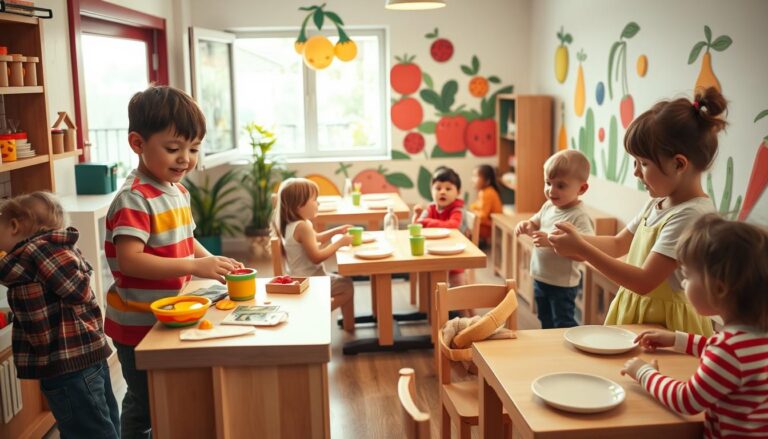
Imagine a world where learning to communicate feels like a fun game. Setting up a simple shop or restaurant at home creates this powerful space. This type of imaginative play is a foundational tool for building real-world skills. Experts in child development agree. Play is a valuable component of speech Continue Reading
The Bilingual Myth That Still Makes Parents Doubt Their Child’s Progress
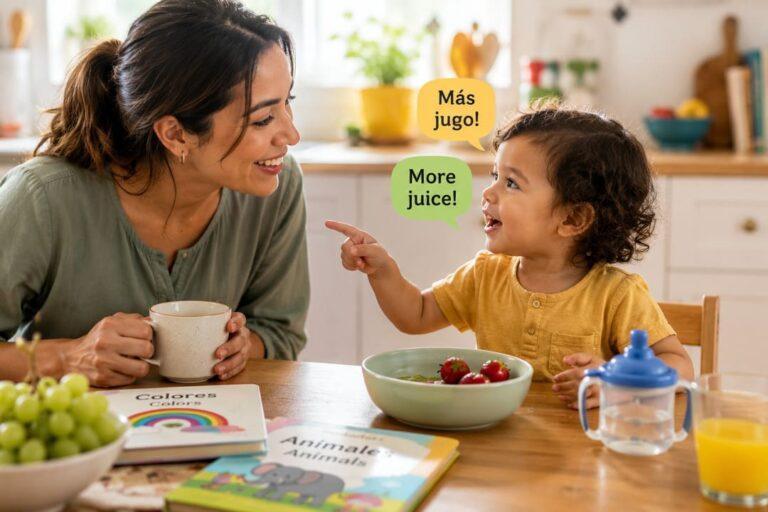
Bilingual development in children often looks less tidy than parents expect, and that is where much of the anxiety begins. A toddler may answer in one language, understand another, mix words in the same sentence, or seem quieter in one setting than another. None of that automatically means something is Continue Reading
Hearing, Feeding, and Oral‑Motor Checks: Hidden Links to Early Speech

A child’s first steps in talking start with hearing. The ability to hear is key for learning language. Without it, learning to speak can be tough. The newborn hearing screen is very important. It’s a quick test done right after birth. It shows if a baby can hear well or Continue Reading
Late Talker or Speech/Language Disorder? A Caregiver Decision Guide
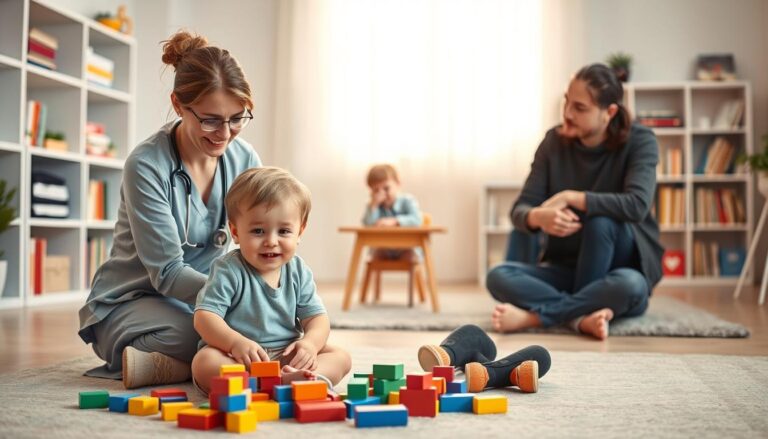
Many parents and caregivers watch their child’s communication journey with a mix of wonder and worry. A common, pressing question arises: Is my child simply a late bloomer, or is there a deeper issue at play? This guide provides a clear framework to help you understand the difference. First, it’s Continue Reading
Encouraging Speech Sounds the Sensory‑Friendly Way: Games for Different Profiles

Teaching a child to talk is a fun, step-by-step journey. It’s all about playing together, not forcing words. Learning to make sounds comes naturally, as they grow. Learning early consonants like /p/, /b/, and /m/ is key. These sounds help build words and syllables. It’s a perfect match for a Continue Reading
Smart Bilingual Language Strategies: Boosting Speech, Confidence & Communication

Raising a child with two languages can be challenging. It’s like trying to conduct an orchestra where some musicians are playing different tunes. You’re excited about this amazing gift. But, you can’t help but worry if it’s causing speech delays. Here’s the truth: bilingualism is not the problem if your Continue Reading
Top 15 Tips for Bilingual Parenting: Simple Ways to Build Confident Communicators

In a country where learning a foreign language is often seen as a chore, raising a multilingual child is a bold choice. It’s like a quiet rebellion against the status quo. This isn’t just about learning words for a trip. It’s about preparing a young brain for flexibility from the Continue Reading