

Parent engagement in NYC bilingual classrooms depends on clear language access, realistic home routines, and shared school-family support.
Bilingual Development
Family Engagement Practices for Bilingual Pre-K
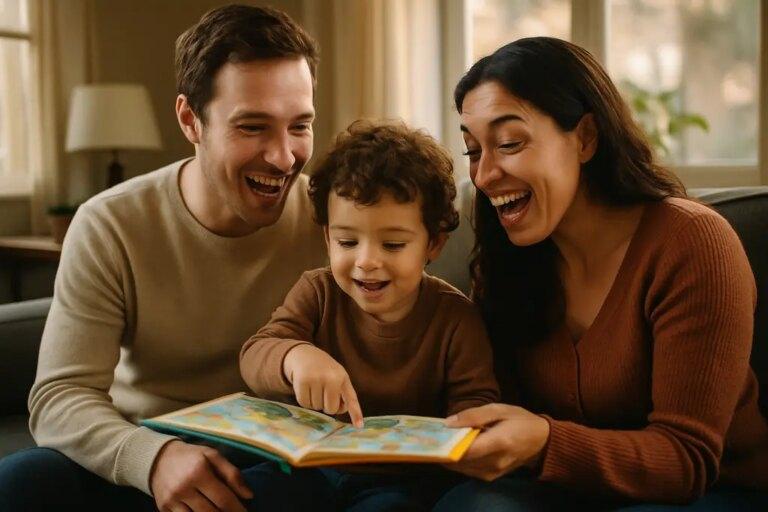
See how family engagement practices support bilingual preschoolers through home language, shared reading, and Head Start research.
Same Home, Different Languages: Why Bilingual Siblings Do Not Always Develop Alike
Two children can grow up under the same roof, hear the same parents, and still choose different languages when they talk. Bilingual siblings language use is shaped by much more than the language rules a family sets: age, school, friends, birth order, confidence, routines, and each child’s history with both Continue Reading
Bilingual Preschool Vocabulary After COVID

How pandemic disruptions shaped bilingual preschool vocabulary, English exposure, home reading, and practical language support for families.
Child Self-Report in Bilingual Assessment

Child Self-Report can add useful context to bilingual assessment when paired with parent input and direct language measures.
Passive Screen Exposure in Bilingual Development

Passive screen exposure can affect bilingual growth differently by content, supervision, and interaction. Learn evidence-based family steps.
English-only Head Start and Bilingual Growth
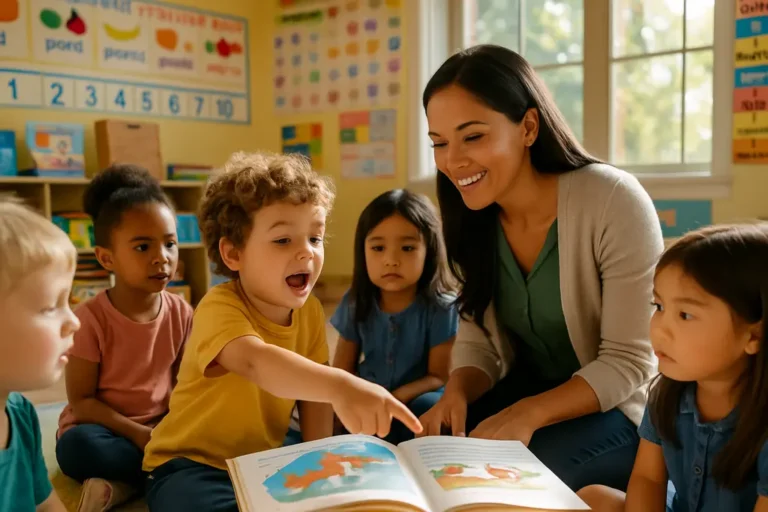
English-only Head Start proposals could affect classroom language, family communication, and bilingual preschool growth. See what evidence supports.
Reduced English Exposure and Vocabulary Growth
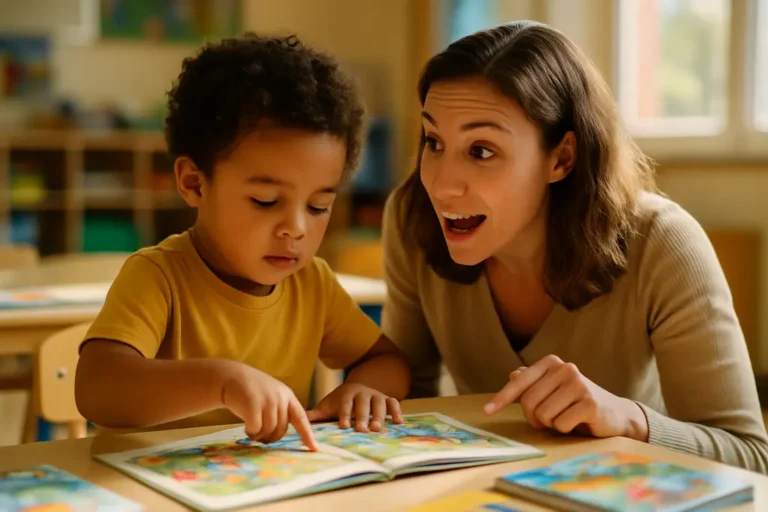
Reduced English Exposure can shape bilingual vocabulary in early childhood. Learn what research suggests and how families can respond.
Why Using Your Hands During Story Time May Help Preschoolers Learn New Words

Story time can introduce a preschooler to words that rarely appear in everyday conversation, but hearing an unfamiliar word once does not guarantee that its meaning will stick. New 2026 evidence suggests that gestures during story time may give children another route into meaning: when a storyteller’s hands visibly represent Continue Reading
Latinx Infant Language: Speech And Music At Home

Latinx Infant Language develops through speech, shared music, and screen-sound patterns. Research helps families adjust home listening routines.