

A communication support school transition can affect far more than a classroom assignment. For a child who uses AAC, receives speech-language services, or depends on communication accommodations, a school move can disrupt the tools and routines that make participation possible. Concerns around campus reassignment became especially visible after Texas education Continue Reading
Communication Skills
ASL at Family Movie Night: How Signed Stories Can Support Shared Communication

ASL stories for children are becoming easier for families to find, and that matters because access is not only about seeing words on a screen. For many Deaf and hard-of-hearing children, signed storytelling can make a family movie feel more shared, more visual, and more emotionally available. Beginning July 20, Continue Reading
Gestures and Voice Tone May Help Children Understand More Than Words Alone

Gestures and language understanding are closely connected because children do not listen with their ears alone. They watch hands, faces, body movement, rhythm, pauses, and voice tone to figure out what adults mean. That matters especially for children who find spoken language difficult to process. When adults add clear visual Continue Reading
Your Phone May Be Stealing the Small Conversations Children Need

A parent does not need to ignore a child all day for a phone to change the rhythm of communication. The bigger issue is often smaller: a glance during breakfast, a notification during play, a scroll during bedtime, a reply during a child’s story. Those moments matter because early language Continue Reading
Children Are Not Losing Communication Skills All at Once, They Are Missing Practice

Children’s communication skills are not built by hearing words float through the room. They grow when a child asks, waits, listens, explains, disagrees, repairs a misunderstanding, tells a tiny story, and gets a real response from another person. That is why the screen-time conversation is starting to sound less like Continue Reading
The Real Screen-Time Question Isn’t Minutes, It’s Lost Conversation.
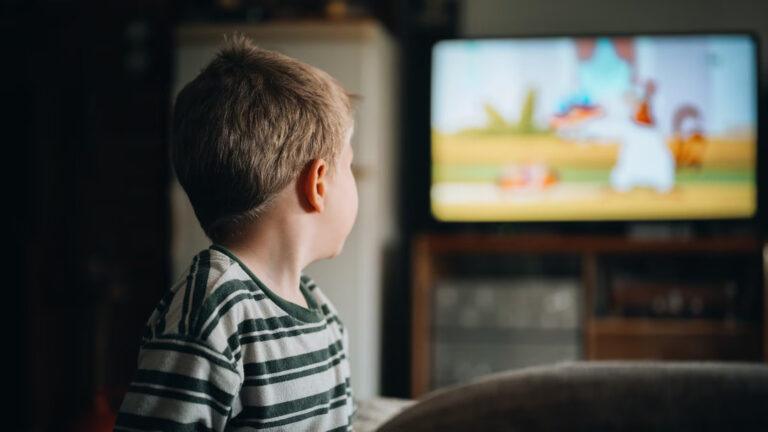
Screen time and toddler speech are now linked in one of the most stressful questions many parents ask: is the tablet helping, hurting, or simply filling a hard part of the day? The better answer is not built on panic. It starts with understanding what screens may replace when toddlers Continue Reading
How Music And Songs Support Early Communication Skills
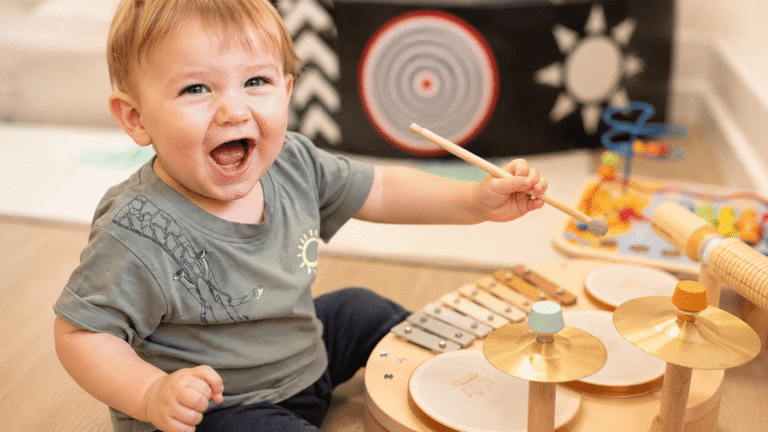
A familiar song can turn a quiet child into an active communication partner before a full sentence appears. Music and early communication connect because rhythm, repetition, gesture, and anticipation give children several ways to participate—not just one demand to speak clearly. The real value is not the song playing in Continue Reading
How Toy Animals Can Teach Children Social Communication

A plastic elephant refusing to share a watering hole may look like a tiny drama, but it gives a child a safe way to rehearse a difficult social moment. Toy animals for social communication work because they turn invisible skills—waiting, noticing feelings, repairing conflict, and responding to another person—into actions Continue Reading
Why Children Need More Time To Answer Questions

Child response time can change the entire quality of a conversation. When adults ask a question and rush to fill the silence, children often lose the very space they need to understand, organize, and answer. For families working on communication skills, this small pause matters more than it may appear. Continue Reading
Why Children Communicate Better When They Feel Safe

Safe child communication begins long before a child chooses the perfect words. A child who feels judged, rushed, mocked, ignored, or overwhelmed may still speak, but they often stop revealing what they really mean. That matters because families are paying closer attention to speech, language, emotional regulation, and social confidence Continue Reading