
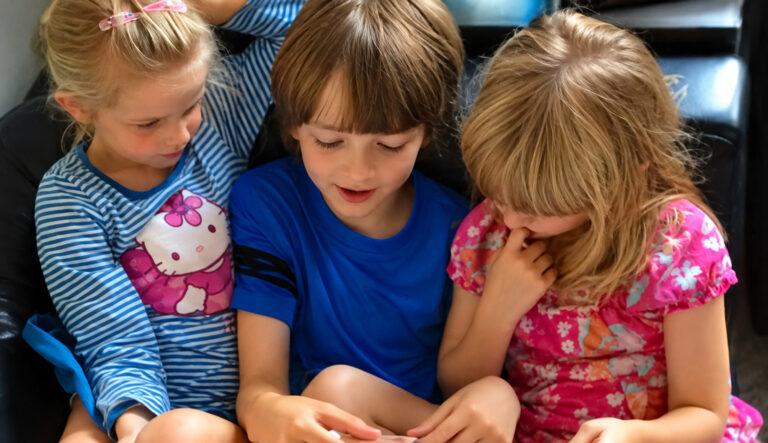
Two children can grow up under the same roof, hear the same parents, and still choose different languages when they talk. Bilingual siblings language use is shaped by much more than the language rules a family sets: age, school, friends, birth order, confidence, routines, and each child’s history with both Continue Reading
Celina Vasquez
When Do Children Understand Yesterday, Today, and Tomorrow?
A preschooler may announce, “Tomorrow we went to Grandma’s,” even though the visit happened yesterday. That does not necessarily mean the child has forgotten the event. Understanding time words requires children to do something unusually abstract: locate an experience in relation to a present moment that keeps changing. For parents Continue Reading
Pretend Grocery Store Games That Build Everyday Language

Grocery store language activities can do more than teach the names of apples, cereal, and milk. A pretend shop gives children a reason to request, compare, count, describe, choose, ask, answer, and take turns—the same kinds of language they can later use during a real errand. The strongest version is Continue Reading
Following Directions Games for Kids That Feel Like Play

Following directions can look like a behavior problem when it is really a language-and-memory task. The best following directions games for kids make that hidden work visible: hear the words, hold the sequence in mind, understand what each step means, and carry the actions out in order. Movement and pretend Continue Reading
When Do Children Start Using Complete Sentences?
Parents often ask when do children start speaking in sentences because the change from isolated words to real conversation can feel dramatic. But “complete sentence” is not a switch that flips on at one age. Children usually move through a sequence: single words carry whole messages, two words show relationships, Continue Reading
When Do Children Begin Using Pronouns Correctly?
Parents often notice pronouns because the mistakes are unusually visible: “Me do it,” “Her has it,” or a child repeating “you” when they mean themselves. So when do children start using pronouns? The useful answer is not a single birthday. Pronouns emerge across toddlerhood, while accurate use develops as children Continue Reading
Before the Endless “Why?” Phase: How Children Learn to Ask Questions
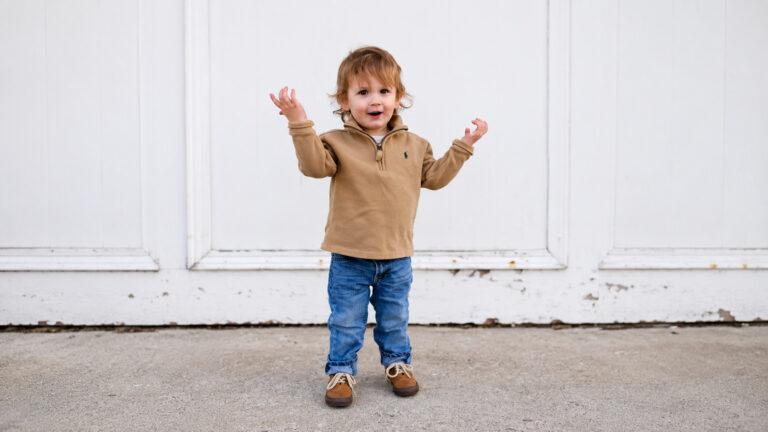
Parents often wonder when do children start asking questions because the shift can feel sudden: one week a toddler is naming things, and soon they are demanding to know what, where, and why. The more useful way to read this milestone is not as a single birthday marker, but as Continue Reading
Why Using Your Hands During Story Time May Help Preschoolers Learn New Words

Story time can introduce a preschooler to words that rarely appear in everyday conversation, but hearing an unfamiliar word once does not guarantee that its meaning will stick. New 2026 evidence suggests that gestures during story time may give children another route into meaning: when a storyteller’s hands visibly represent Continue Reading
Your Toddler Has the Words—But Grammar Is a Different Milestone

A toddler can know the names of animals, foods, family members, vehicles, and favorite toys and still sound surprisingly brief in conversation. That is because toddler grammar development is a different job from collecting vocabulary: children must learn how words fit together to show who did what, when it happened, Continue Reading
Your Bilingual Toddler Isn’t Confused: What Code-Switching Really Means
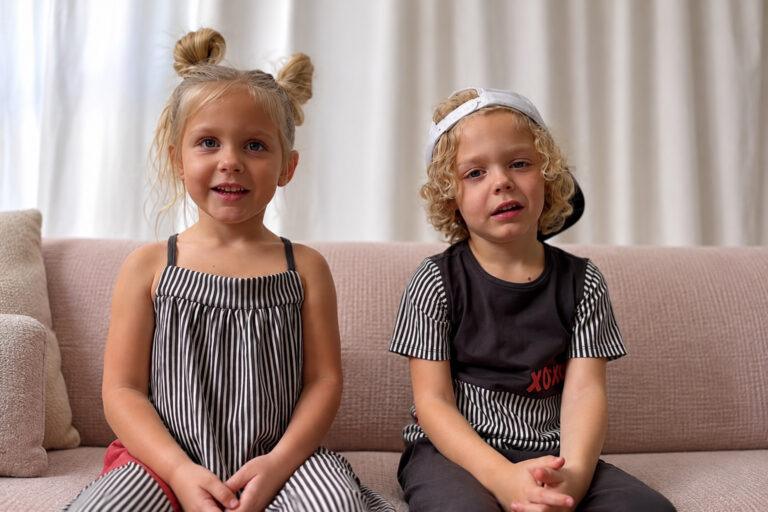
A toddler says, “Quiero my cup,” or answers an English question with a Spanish word, and a parent may wonder whether two languages are getting tangled together. But code switching in bilingual toddlers is not automatically a sign of confusion; it is a common way bilingual speakers use the language Continue Reading