

See how family engagement practices support bilingual preschoolers through home language, shared reading, and Head Start research.
Noah Reed
Bilingual Preschool Vocabulary After COVID

How pandemic disruptions shaped bilingual preschool vocabulary, English exposure, home reading, and practical language support for families.
Child Self-Report in Bilingual Assessment

Child Self-Report can add useful context to bilingual assessment when paired with parent input and direct language measures.
Passive Screen Exposure in Bilingual Development

Passive screen exposure can affect bilingual growth differently by content, supervision, and interaction. Learn evidence-based family steps.
Reduced English Exposure and Vocabulary Growth
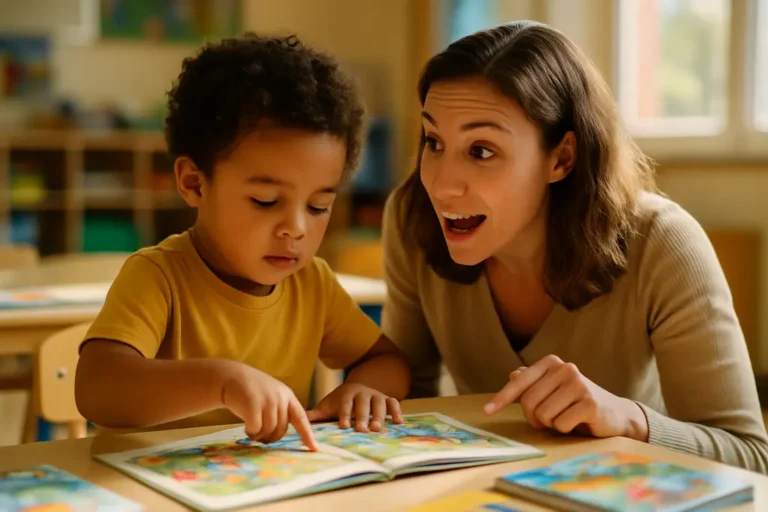
Reduced English Exposure can shape bilingual vocabulary in early childhood. Learn what research suggests and how families can respond.
English-only Head Start and Bilingual Learners
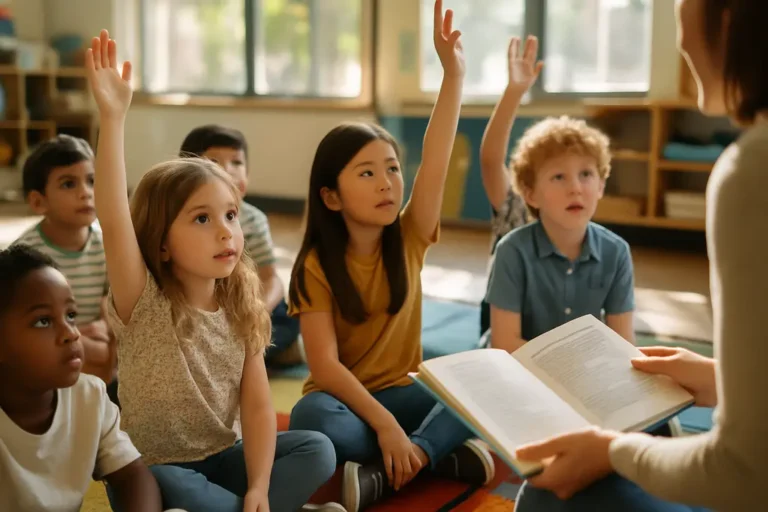
English-only Head Start could affect bilingual preschoolers, home-language support, classroom materials, and family-school planning.
Bilingual Vocabulary Activities for Ages 4–6
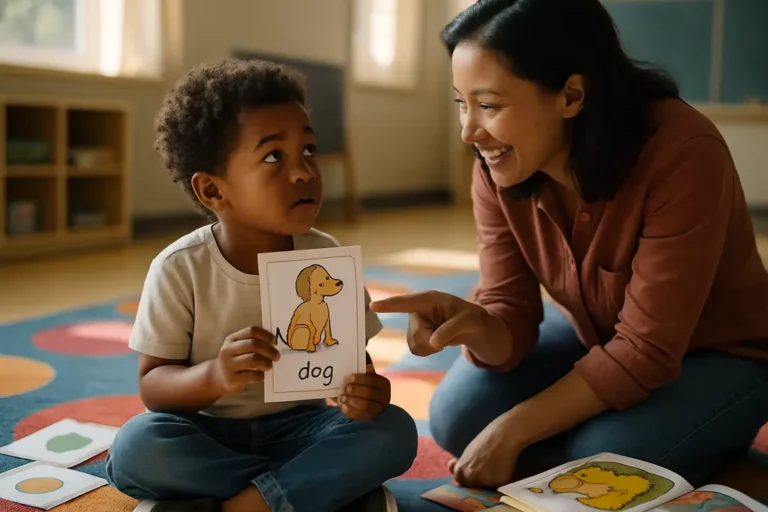
Practical Bilingual Vocabulary Activities for children ages 4 to 6, with evidence-based reading, science talk, drawing, and progress tracking.
Linguistic Exposure and Bilingual Vocabulary

How linguistic exposure supports bilingual children’s vocabulary, meaning links, and reading foundations through daily language use.
If Head Start Moves to English-Only Instruction, How Can Families Protect the Home Language?

A federal proposal could change how language is used inside many Head Start classrooms, but it does not require families to change the language of home. Home language preschool support can still grow through conversations, books, songs, stories, play, and relationships with people who know the child well. For families Continue Reading
Bilingual Literacy Support Should Not Ask Deaf Children to Leave Their Home Language Behind
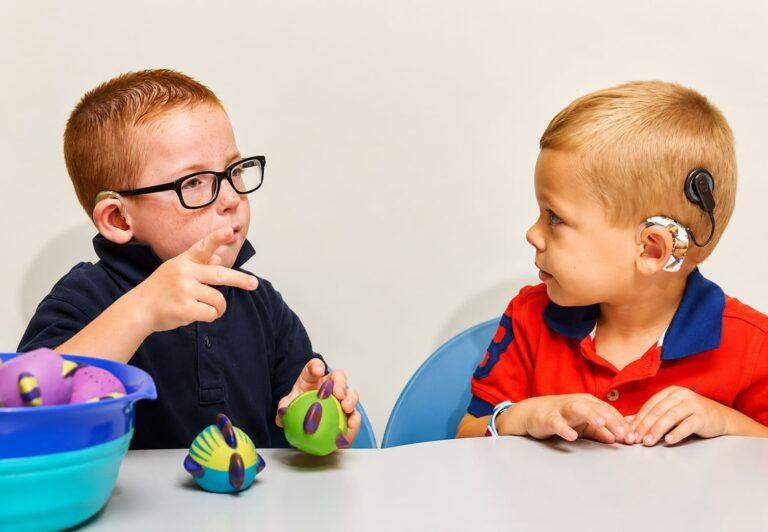
A hearing-loss diagnosis can bring urgent questions about language access, technology, school, therapy, and literacy. It should not automatically bring an instruction to abandon the language a child shares with parents and grandparents. Effective bilingual hearing loss support starts by asking how the child can gain strong access to communication Continue Reading