

Hand gestures can help children connect words with meaning. See evidence-based ways parents can use movement during play, reading, and bilingual talk.
Ethan Miles
Caregiver Grammar Resources for DLD Risk

Caregiver grammar resources can support young children at risk for DLD through coached talk, shared reading, and realistic grammar goals.
The Most Helpful Part of a Question May Be the Silence After It

A question may take only seconds to ask, yet a child’s answer can require much more work. Understanding child response time helps parents recognize that a quiet pause may be evidence of thinking—not refusal, distraction, or a lack of knowledge. During that pause, a child may be interpreting the question, Continue Reading
Simultaneous Bilingual Development After Delays

How simultaneous bilingual development can support children after expressive delays, with evidence-based family strategies and limits.
One-Way Dual Language Vs Transitional Programs

Compare One-Way Dual Language and transitional bilingual programs using current evidence, limits, and practical questions for families.
bilingual discourse strategies for syntax growth

Use bilingual discourse strategies to support young children’s longer sentences with careful questioning, extensions, and home-language support.
Teacher Language Switching and DLL Skills

Teacher Language Switching can support DLL communication when it is purposeful, consistent, and paired with clear classroom interaction.
Bilingual Narrative Growth and Listening Skills

How bilingual narrative growth relates to listening comprehension, vocabulary, morphology, and practical speech-milestone support.
English Narrative Interventions for Grammar

English Narrative Interventions can support bilingual morphosyntax, but research is still limited. Learn careful, practical story-based steps.
Speech Processing Autism: Brain Activity Clues
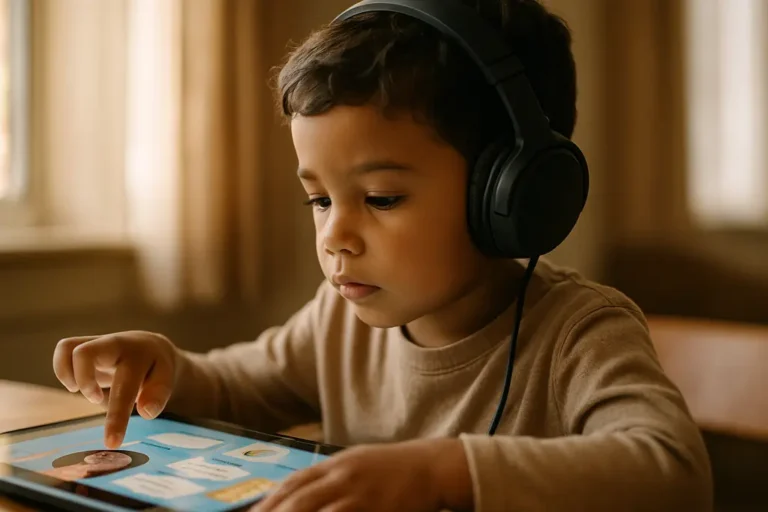
Speech Processing Autism research can help families read brain studies carefully and turn findings into practical communication questions.